
Vibramycin (Doxycycline)

Dosages
Vibramycin 100 mg
| Quantity | Price per tablet | Total price | |
|---|---|---|---|
| 30 | $1.73 | $52.00 | |
| 60 | $1.38 | $83.00 | |
| 90 | $1.26 | $113.00 | |
| 120 | $1.12 | $134.00 | |
| 180 | $1.01 | $182.00 | |
| 240 | $0.91 | $219.00 | |
| 360 | $0.82 | $295.00 |
Payment & Shipping
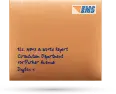
Your order is carefully packed and ships within 24 hours. Here is what a typical package looks like.
Sized like a regular personal letter (9.4x4.3x0.3 inches), with no indication of what is inside.


| Shipping Method | Estimated delivery |
|---|---|
| Express Free for orders over $300.00 | Estimated delivery to the U.S.: 4-7 days |
| Standard Free for orders over $200.00 | Estimated delivery to the U.S.: 14-21 days |









Discount Coupons
- Independence Day - July 4, 2026 10% JULY410
- Labor Day - September 7, 2026 7% LABOR07
- Thanksgiving - November 26, 2026 9% THANKS09
Brand Names
| Country | Brand Names |
|---|---|
 Argentina Argentina | Asolmicina.dox Atridox Ciclidoxan Doxibiot Granudoxy Verboril Vibramicina |
 Australia Australia | Cyclidox Doryx Doxsig Doxy Doxyhexal Doxylin Frakas Vibra-Tabs Vizam |
 Belgium Belgium | Clifordin Dagramycine Docdoxycy Doxyfim Doxylets Doxymycine Doxytab Logamicyl Roxyne Unidox Vibracare Vibramycine Vibratab |
 Brazil Brazil | Ciclisan Clordox Doxilegrand Doxilina Doxina Neo Doxicilin Protectina Uni Doxiciclin Vibramicina |
 Canada Canada | Apo-Doxy Atridox Doryx Doxycin Doxytab Doxytec Novo-Doxylin Periostat Vibra-Tabs |
 Czechia Czechia | Apo-Doxy Deoxymykoin Doxybene Doxyhexal Helvedoclyn Unidox |
 Denmark Denmark | Atridox Dumoxin Vibradox |
 Finland Finland | Apodoxin Atridox Dosyklin Doximed Doximycin Doxitin Periostat |
 France France | Doxy Doxygram Doxylets Doxylis Doxypalu Granudoxy Monocline Spanor Tolexine Vibramycine Vibramycine N Vibraveineuse |
 Germany Germany | Aknefug Doxy Antodox Atridox Azudoxat Azudoxat-T Bactidox Clinofug D Doxakne Doxy Doxy-basan Doxy-Diolan Doxy-HP Doxy-N-Tablinen Doxy-P Doxy-Puren Doxy-Tablinen Doxy-Wolff Doxybiocin Doxyderma Doxydoc Doxyhexal Doxy Komb Doxy M Doxymerck Doxymono Doxy Pohl Doxyremed Doxytem duradoxal Ichthraletten Doxy investin Jenacyclin Mespafin Neodox Nymix-cyclin N Remicyclin D Sigacyclat Sigadoxin Supracyclin Vibravenos |
 Greece Greece | Anfadox Atridox Combaforte Impalamycin Ivamycin Lentomyk Microvibrate Novimax Otosal Relyomycin Smilitene Vibrabiotic Vibravenos Vibravenosa Visubiotic |
 Hungary Hungary | Doxypharm Doxyprotect Huma-Doxylin Tenutan |
 Italy Italy | Abadox Bassado Doxicento Doxifin Doxilen Doxina Doxivis Esadoxi Farmodoxi Germiciclin Ghimadox Gram-Val Iclados Minidox Miraclin Monodoxin Periostat Philcociclina Radox Ribociclina Samecin Semelciclina Stamicina Unacil Ximicina |
 Malaysia Malaysia | Bronmycin Doline Doxacyne Doxy Doxycillin Doxymycin Medomycin Wanmycin Zadorin |
 Mexico Mexico | Apociclina Bioximicina Domiken Doranbax Doxinonflam Kenciclen Periosan Vibramicina Vivradoxil |
 Netherlands Netherlands | Atridox Dagracycline Doxy Doxy-Dagra Doxymycin Dumoxin Neo-Dagracycline Periostat Unidox Vibra-S |
 New Zealand New Zealand | Atridox Doryx Doxine Doxy |
 Norway Norway | Doryx Doxylin Doxysol Dumoxin |
 Poland Poland | Dotur Doxicin Doxyratio M Supracyclin Unidox |
 Portugal Portugal | Actidox Atridox Biocin Doxytrex Periostat Pluridoxina Sigadoxin Vibramicina |
 Spain Spain | Basecidina Cildox Clisemina Docostyl Dosil Doxaclen Doxiclat Doxicrisol Doxinate Doxi Sergo Doxiten Doxiten Bio Duo Gobens Mededoxi Novelciclina Peledox Plumbiot Proderma Relociclina Retens Rexilen Rodomicina Solupen Tetrasan Unidoxi Vibracina Vibravenosa |
 Sweden Sweden | Atridox Doryx Doxyferm Idocyklin |
 Turkey Turkey | Doksin Monodoks Tetradox |
 United States United States | Adoxa Alodox Atridox Bio-Tab Doryx Doxy Doxy-Tabs Doxychel Monodox NutriDox Oracea Oraxyl Periostat Vibra-Tabs |
| Manufacturer | Brand Names |
|---|---|
| Astra Lifecare India Pvt. Ltd. | Doxicip Doxrid Doxy-1 |
| Cipla Limited | Doxicip Doxrid Doxy-1 |
| Ridley Life Science Pvt. Ltd | Doxicip Doxrid Doxy-1 |
Description
Doxycycline is a tetracycline-class antibiotic used to treat a wide range of susceptible bacterial infections. It is also used for selected preventive regimens (for example, in travel medicine) and other specialist-guided indications.
Also available: Vibramycin-D (dispersible tablets) is another doxycycline option. The tablets are designed to be dissolved in water before taking, which may be helpful if you have trouble swallowing tablets. Availability may vary.
| Dosage form | Typical use case | Key practical notes | Where you usually see it |
|---|---|---|---|
| Tablets / capsules | Most outpatient treatment courses | Take with a full glass of water; don't lie down right after | Home / pharmacy |
| Oral suspension (liquid) | People who have trouble swallowing pills | Shake well; measure doses accurately; follow label storage directions | Home / pharmacy |
| Delayed-release formulations | Selected indications/products; may help GI tolerability for some patients | Follow the product-specific instructions (do not assume it's identical to immediate-release) | Home / pharmacy |
| IV (intravenous) | When oral therapy isn't feasible or in specialist settings | Administered by healthcare professionals | Hospital / clinic |
How to take
- Take each dose with a full glass of water (about 8 oz / 240 mL).
- Swallow while sitting or standing; do not take right before lying down. This helps reduce the risk of oesophageal irritation/ulceration.
- If stomach upset occurs, doxycycline may be taken with food.
- Complete the course exactly as prescribed (do not stop early unless your prescriber tells you to).
Timing guide: food, minerals, and common add-ons
| What you take | Why it matters | Practical timing | Notes |
|---|---|---|---|
| Milk/dairy | May affect absorption for some products/patients | If possible, avoid taking it at the same time | If nausea occurs, taking doxycycline with a light meal may help |
| Antacids (Ca/Mg/Al), bismuth | Can bind doxycycline and lower absorption | Separate by a few hours (follow pharmacist/label guidance) | Common culprits: “heartburn” meds |
| Iron, zinc, magnesium, calcium supplements | Can bind doxycycline and lower absorption | Separate by a few hours (follow pharmacist/label guidance) | Includes many multivitamins |
| Food (general) | May improve stomach tolerability | OK with food if needed | Avoid lying down after dosing |
If you miss a dose
| Situation | What to do | What to avoid | When to get advice |
|---|---|---|---|
| You remember soon after the scheduled time | Take the missed dose as soon as you remember | Don't take it without water or right before lying down | If you're unsure about spacing with minerals/antacids, ask a pharmacist |
| It's almost time for your next dose | Skip the missed dose and take the next dose at the usual time | Do not double the next dose | If you miss more than one dose, ask your prescriber what to do |
| You vomit soon after a dose | Ask a pharmacist or clinician whether you should repeat the dose | Don't automatically re-dose without guidance | Seek advice if vomiting is persistent or severe |
Uses and Administration
Doxycycline is a tetracycline derivative with uses similar to those of tetracycline. It may sometimes be preferred to other tetracyclines in the treatment of susceptible infections because of its fairly reliable absorption and its long half-life that permits less frequent (often once daily) dosing. It also has the advantage that it can be given (with care) to patients with renal impairment. However, relatively high doses may need to be given for urinary-tract infections because of its low renal excretion.
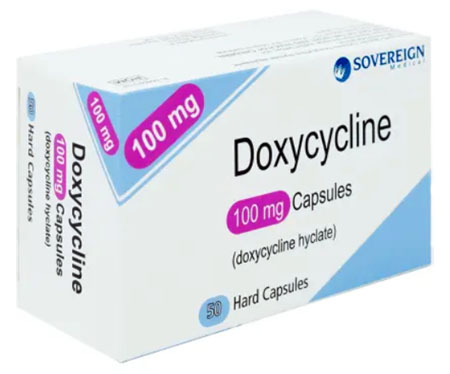
Tooth infection (dental infection): Antibiotics are not a substitute for dental procedures (for example, drainage or definitive dental treatment). In many cases, urgent dental treatment is prioritized and antibiotics are reserved for cases with systemic involvement or higher risk of spread. A clinician/dentist may prescribe an antibiotic based on the suspected organisms and allergy history.
What doxycycline is not for (common misconceptions)
| Common request | Reality | What to do instead |
|---|---|---|
| 'Antibiotics for a toothache' | Dental pain often needs dental treatment (e.g., drainage or procedure), not just antibiotics | See a dentist urgently, especially with swelling/fever |
| 'It will treat any STI' | Doxycycline is not first-line for gonorrhea in current US guidance | Get tested and follow guideline-based treatment |
| 'It works for colds/flu' | Colds/flu are usually viral; antibiotics don't help | Supportive care; see a clinician if severe or worsening |
| 'I can use leftovers whenever I feel sick' | Wrong drug/dose/duration increases failure and resistance risk | Use only a prescribed course for your current condition |
Doxycycline is usually given orally as the base or its various salts, usually the hyclate. Doses are expressed in terms of doxycycline; doxycycline hyclate 115 mg is equivalent to about 100 mg of anhydrous doxycycline.
Typical adult dosing (examples)
The usual adult dose, either orally or intravenously, is 200 mg of doxycycline on the first day (as a single dose or in divided doses), followed by 100 mg daily. In severe infections the initial dosage may be maintained throughout the course of treatment (as prescribed).
Gonorrhea note (US): Doxycycline is not a first-line treatment for gonorrhea in current US guidelines. Recommended therapy typically includes ceftriaxone; doxycycline may be used only when a clinician is also treating possible chlamydial infection and when appropriate.
For syphilis in penicillin-allergic patients, doxycycline 100 to 200 mg twice daily is given orally for at least 14 days; some authorities suggest giving the same dose for 28 to 30 days to patients with late latent disease (follow specialist guidance).
For malaria prevention, doxycycline chemoprophylaxis should begin 1–2 days before travel to endemic areas, be taken once daily during travel, and continue daily for 4 weeks after leaving the endemic area (follow travel-medicine guidance).
Interactions
Minerals and antacids (especially products containing calcium, magnesium, aluminium, iron, zinc, or bismuth) can reduce doxycycline absorption—use the timing guide above. Some medicines that induce liver enzymes (e.g., rifampicin and certain antiepileptics) may reduce doxycycline levels; tell your prescriber about all medicines and supplements you take.
Alcohol
Occasional alcohol use is not known to cause a disulfiram-like reaction with doxycycline. However, chronic heavy alcohol use may reduce doxycycline exposure (potentially lowering effectiveness). If you drink heavily or have alcohol use disorder, discuss this with your prescriber.
Adverse Effects and Precautions
Common side effects
- Stomach upset (nausea, vomiting), diarrhoea, loss of appetite
- Throat/oesophageal irritation (especially if taken without enough water or right before lying down)
- Photosensitivity (sunburn more easily) — use sun protection and stop and seek advice if severe skin redness occurs
- Yeast overgrowth/superinfection can occur with antibiotics (seek advice if you develop persistent mouth/genital symptoms)
As for Tetracycline
Gastrointestinal disturbances with doxycycline are reported to be less frequent than with tetracycline and doxycycline may also cause less tooth discoloration. Oesophageal ulceration may be a particular problem if capsules or tablets are taken with insufficient fluid or in a recumbent posture: doxycycline should be taken with a full glass of water, in an upright position, and well before going to bed. Dispersible tablets or liquid formulations should be used in elderly patients, who may be at greater risk of oesophageal injury. Unlike many tetracyclines, doxycycline does not appear to accumulate in patients with impaired renal function, and aggravation of impairment may be less likely.
Practical comparison with other tetracyclines
| Practical point | Doxycycline | Minocycline | Tetracycline |
|---|---|---|---|
| Dosing convenience | Often once daily (depends on indication) | Often once or twice daily (depends on indication) | Often multiple daily doses |
| Food/minerals effect | Generally less affected by food than tetracycline, but minerals/antacids can still interfere | Minerals/antacids can interfere | More likely to be affected by food/minerals |
| Photosensitivity | Can occur | Can occur | Can occur |
| Vestibular effects (dizziness/vertigo) | Less commonly emphasized than with minocycline | More commonly reported | Can occur |
| Esophageal irritation risk | Notable if taken without enough water or right before lying down | Also possible | Also possible |
Pharmacokinetics
For the general pharmacokinetics of the tetracyclines, see Tetracycline. Doxycycline is absorbed from the gastrointestinal tract; absorption and peak levels may vary by formulation and study, and can be affected by co-administration with multivalent cations (e.g., calcium/iron/magnesium/aluminium).
About 80 to 95% of doxycycline in the circulation is reported to be bound to plasma proteins. Its biological half-life varies from about 12 to 24 hours. Doxycycline is more lipid-soluble than tetracycline. It is widely distributed in body tissues and fluids.
The majority of a dose of doxycycline is excreted in the faeces after chelation in the intestines. Removal of doxycycline by haemodialysis is insignificant.
Administration in children
In children, the effects on teeth should be considered. Because tetracyclines can affect tooth development, doxycycline use in children 8 years of age or less should be limited to situations where the potential benefits are expected to outweigh the risks (e.g., severe or life-threatening infections as directed by a clinician).
In the USA, dosing in children (when used) is weight-based; follow clinician and public health guidance for specific indications (e.g., anthrax exposure).
Doxycycline (Vibramycin) Use in Pets
Veterinarians may advise avoiding co-administration with products that contain calcium, magnesium, aluminium, iron, or zinc because these can reduce absorption. As with other tetracyclines, extra caution is used in very young animals due to potential effects on developing teeth and bones. Contact a veterinarian promptly if a pet develops persistent vomiting, diarrhoea, or other concerning symptoms while on treatment.
Storage
Store at room temperature: 68°F to 77°F (20°C to 25°C). Short-term temperature changes are allowed: 59°F to 86°F (15°C to 30°C). Keep the container tightly closed, protected from light, and out of reach of children.
Doxycycline is a widely used tetracycline antibiotic with convenient dosing and generally reliable absorption. Take it with plenty of water while upright, avoid combining it with mineral-containing antacids or supplements, and store it at controlled room temperature. Follow your prescriber's directions—especially for dental infections (where definitive dental treatment is key), sun sensitivity, and if you drink alcohol heavily.