
Vantin (Cefpodoxime)

Dosages
Vantin 100 mg
| Quantity | Price per tablet | Total price | |
|---|---|---|---|
| 30 | $2.70 | $81.00 | |
| 60 | $2.23 | $134.00 | |
| 90 | $2.08 | $187.00 | |
| 120 | $2.01 | $241.00 | |
| 180 | $1.93 | $347.00 | |
| 270 | $1.88 | $507.00 |
Vantin 200 mg
| Quantity | Price per tablet | Total price | |
|---|---|---|---|
| 30 | $4.10 | $123.00 | |
| 60 | $3.40 | $204.00 | |
| 90 | $3.17 | $285.00 | |
| 120 | $3.05 | $366.00 | |
| 180 | $2.94 | $529.00 | |
| 270 | $2.86 | $771.00 |
Payment & Shipping
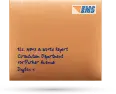
Your order is carefully packed and ships within 24 hours. Here is what a typical package looks like.
Sized like a regular personal letter (9.4x4.3x0.3 inches), with no indication of what is inside.


| Shipping Method | Estimated delivery |
|---|---|
| Express Free for orders over $300.00 | Estimated delivery to the U.S.: 4-7 days |
| Standard Free for orders over $200.00 | Estimated delivery to the U.S.: 14-21 days |









Discount Coupons
- Independence Day - July 4, 2026 10% JULY410
- Labor Day - September 7, 2026 7% LABOR07
- Thanksgiving - November 26, 2026 9% THANKS09
Brand Names
| Country | Brand Names |
|---|---|
 Australia Australia | Orelox |
 Brazil Brazil | Orelox |
 Czechia Czechia | Orelox |
 Denmark Denmark | Orelox |
 France France | Cefodox Orelox |
 Germany Germany | Orelox Podomexef |
 Greece Greece | Cefodox Orelox |
 Italy Italy | Cefodox Orelox Otreon |
 Japan Japan | Banan |
 Mexico Mexico | Orelox |
 Netherlands Netherlands | Orelox Otreon |
 Portugal Portugal | Orelox |
 Spain Spain | Garia Instana Kelbium Orelox Otreon |
 Sweden Sweden | Orelox |
| Manufacturer | Brand Names |
|---|---|
| Cipla Limited | Cefoprox Cepocef Cepodem |
| Intas Pharmaceuticals Ltd. | Cefoprox Cepocef Cepodem |
| Ranbaxy Laboratories Ltd. | Cefoprox Cepocef Cepodem |
Description
Cefpodoxime Proxetil
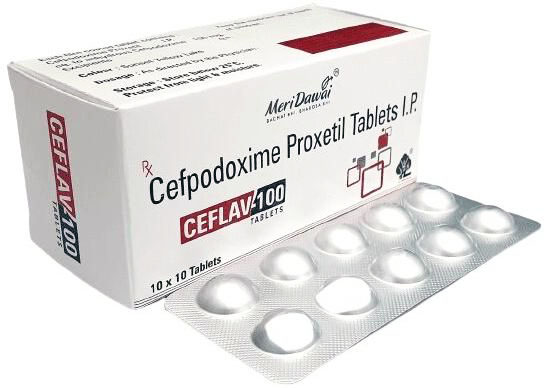
Cefpodoxime proxetil (Vantin, Orelox, Banan) is an extended-spectrum, third-generation, oral cephalosporin.
Cefpodoxime proxetil is an esterified pro-drug of cefpodoxime created for oral formulation. It is stable in the presence of many β-lactamase enzymes, effectively extending its spectrum of activity against several gram-positive and gram-negative bacteria that are resistant to penicillins and other cephalosporins. However, some extended-spectrum β-lactamase enzymes can inactivate cephalosporins. Clinical studies have shown cefpodoxime to be active against S. pneumoniae, S. aureus, H. influenzae, E. coli, K. pneumoniae, and M. catarrhalis and inactive against enterococci and Pseudomonas species.
In a comparative trial in more than 200 patients with community-acquired pneumonia, 200 mg of cefpodoxime proxetil, administered twice daily for 5 to 10 days, was compared with 500 mg of amoxicillin administered three times daily. The study established that the clinical and bacteriologic efficacy of the two antibiotics were comparable.
Comparison: Cefpodoxime vs Amoxicillin vs Cefdinir
This quick table highlights practical differences between commonly used oral options. Exact choice and dose depend on the diagnosis, local resistance patterns, and patient factors (e.g., allergies, kidney function).
| Feature | Cefpodoxime proxetil | Amoxicillin | Cefdinir |
|---|---|---|---|
| Drug class | Oral 3rd-generation cephalosporin (prodrug) | Aminopenicillin (penicillin-class) | Oral 3rd-generation cephalosporin |
| Typical labeled uses (examples) | CAP, acute bacterial exacerbation of chronic bronchitis, sinusitis, otitis media, pharyngitis/tonsillitis, uncomplicated cystitis, skin infections; also includes certain uncomplicated gonorrhea indications on the U.S. label | Commonly used for susceptible ENT/respiratory infections, skin infections, and certain UTIs; also used in H. pylori regimens with other drugs | CAP, sinusitis, AECB, pharyngitis/tonsillitis, otitis media, uncomplicated skin infections |
| Beta-lactamase considerations | More stable than many penicillins vs some β-lactamase producers, but ESBLs can inactivate many cephalosporins | Not reliably active vs β-lactamase–producing organisms unless combined with a β-lactamase inhibitor (e.g., clavulanate) | More stable than many penicillins vs some β-lactamase producers, but ESBLs can inactivate many cephalosporins |
| Food / administration | Tablets: take with food to enhance absorption; suspension: may be taken without regard to meals | May be taken with or without food | Food can slow absorption rate, but overall extent of absorption is not meaningfully affected |
| Notable interactions | Antacids/H2-blockers can reduce absorption of some cephalosporins; ask a clinician/pharmacist about spacing if needed | Few major food interactions; discuss interactions and allergy history with your clinician | Iron supplements (and some iron-fortified products) can reduce absorption; separate dosing. Reddish stools may occur when taken with iron |
| Common side effects (class-typical) | Diarrhea, nausea, abdominal pain; risk of antibiotic-associated diarrhea including C. difficile | GI upset/diarrhea; rash (especially with certain viral illnesses); risk of antibiotic-associated diarrhea including C. difficile | Diarrhea, nausea; risk of antibiotic-associated diarrhea including C. difficile; reddish stools with iron (benign but alarming) |
| Penicillin allergy considerations | Cephalosporins can cross-react in some patients with penicillin allergy; avoid if history of immediate anaphylaxis to penicillins unless clinician decides benefits outweigh risks | Contraindicated in patients with serious hypersensitivity to penicillins | Same class caution as other cephalosporins regarding cross-reactivity |
| Quick dosing examples (adults) | Varies by indication; commonly dosed every 12 hours for many RTIs (see dosage section below) | Varies widely by infection; some CAP outpatient regimens may use higher-dose schedules per guideline | Common adult regimens include 300 mg every 12 hours or 600 mg once daily depending on indication |
Notes: Dosing and indications vary by product label and infection. For community-acquired pneumonia, follow current ATS/IDSA guidance and local susceptibility patterns.
In clinical trials of cefpodoxime, 7.0% of treated patients experienced diarrhea, 3.3% reported nausea, 1.0% reported vaginal fungal infections, and 1.2% experienced abdominal pain. The frequency of side effects is similar to frequency associated with other oral cephalosporins.
Uses
Cefpodoxime proxetil is used orally for the treatment of mild to moderate infections caused by susceptible bacteria. FDA-labeled indications include: acute otitis media; pharyngitis and/or tonsillitis; community-acquired pneumonia; acute bacterial exacerbation of chronic bronchitis; acute, uncomplicated urethral and cervical gonorrhea; acute, uncomplicated ano-rectal infections in women; uncomplicated skin and skin structure infections; acute maxillary sinusitis; and uncomplicated urinary tract infections (cystitis).
Community-acquired Pneumonia
Oral cefpodoxime proxetil is used for the treatment of mild to moderate community-acquired pneumonia (CAP) caused by susceptible strains of S. pneumoniae or H. influenzae (including β-lactamase-producing strains).
CAP treatment should follow up-to-date ATS/IDSA guidance and local susceptibility patterns. In many outpatients with comorbidities, options may include a beta-lactam such as cefpodoxime plus a macrolide or doxycycline; other regimens may be appropriate depending on risk factors and severity.
Uncomplicated Gonorrhea
Oral cefpodoxime proxetil has been studied as a single-dose regimen for acute uncomplicated urethral gonorrhea in men and uncomplicated urethral or endocervical gonorrhea in women caused by Neisseria gonorrhoeae (including penicillinase-producing strains). The drug also has been effective for anorectal gonococcal infections in women, but efficacy for anorectal infections in men has not been established. Data do not support use for pharyngeal gonococcal infections in men or women.
Note: CDC’s current first-line recommendation for uncomplicated gonorrhea in the U.S. is ceftriaxone IM (with chlamydia coverage if not excluded); cefpodoxime is generally not recommended for this purpose in current U.S. guidance.
Dosage and Administration
Reconstitution and Administration
Cefpodoxime proxetil is administered orally. To enhance GI absorption, cefpodoxime proxetil tablets should be administered with food; however, cefpodoxime proxetil for oral suspension may be administered without regard to meals.
Cefpodoxime proxetil powder for oral suspension should be reconstituted at the time of dispensing by adding the amount of distilled water specified on the container to provide a suspension containing 50 or 100 mg of cefpodoxime per 5 mL. The water should be added in 2 approximately equal portions and the bottle shaken vigorously after each addition.
Dosage
Dosage of cefpodoxime proxetil is expressed in terms of cefpodoxime.
Adult Dosage
Respiratory Tract Infections
For the treatment of mild to moderate acute maxillary sinusitis, mild to moderate acute exacerbations of chronic bronchitis, or mild to moderate community-acquired pneumonia in adults and adolescents 12 years of age or older, the usual dosage of cefpodoxime is 200 mg every 12 hours for 10, 10, or 14 days, respectively.
Pharyngitis and Tonsillitis
The usual dosage of cefpodoxime for the treatment of pharyngitis and tonsillitis caused by Streptococcus pyogenes in adults and adolescents 12 years of age or older is 100 mg every 12 hours for 5-10 days.
Uncomplicated Gonorrhea
If cefpodoxime is used for the treatment of uncomplicated urethral gonorrhea in men or uncomplicated urethral, endocervical, or anorectal gonorrhea in women, adults and adolescents 12 years of age and older should receive a single 200-mg dose of the drug given in conjunction with an anti-infective regimen effective for the presumptive treatment of chlamydial infections.
Skin and Skin Structure Infections
For mild to moderate uncomplicated skin and skin structure infections in adults and adolescents 12 years of age or older, the usual dosage of cefpodoxime is 400 mg every 12 hours for 7-14 days.
Urinary Tract Infections
For the treatment of mild to moderate uncomplicated urinary tract infections in adults and adolescents 12 years of age or older, the usual dosage of cefpodoxime is 100 mg every 12 hours for 7 days.
Pediatric Dosage
Children 12 years of age or older may receive the usual adult dosage of cefpodoxime.
Acute Otitis Media
For the treatment of acute otitis media in children 2 months through 12 years of age, the usual dosage of cefpodoxime is 5 mg/kg (up to 200 mg) every 12 hours for 5 days.
Pharyngitis and Tonsillitis
For the treatment of mild to moderate pharyngitis and tonsillitis caused by S. pyogenes in children 2 months to 12 years of age, the usual dosage of cefpodoxime is 5 mg/kg (up to 100 mg) every 12 hours for 5-10 days.
Acute Sinusitis
For the treatment of mild to moderate acute maxillary sinusitis in children 2 months to 12 years of age, the usual dosage of cefpodoxime is 5 mg/kg (up to 200 mg) every 12 hours for 10 days.
Dosage in Renal and Hepatic Impairment
Patients with creatinine clearances of 30 mL/minute or greater may receive the usual dosage of cefpodoxime. Patients with creatinine clearances less than 30 mL/minute should receive the usual dose of cefpodoxime given every 24 hours. Patients maintained on hemodialysis should receive the usual dose 3 times weekly following dialysis. Modification of the usual dosage of cefpodoxime is not necessary in patients with hepatic impairment.
Cautions
Adverse Effects
Adverse effects reported with cefpodoxime proxetil are similar to those reported with other oral cephalosporins. Cefpodoxime proxetil generally is well tolerated.
GI effects, including diarrhea, loose stools, nausea, and vomiting, are the most frequent adverse reactions reported with cefpodoxime. Adverse GI effects may be dose related.
Precautions and Contraindications
Cefpodoxime proxetil is contraindicated in patients who are hypersensitive to the drug or other cephalosporins. Prior to initiation, careful inquiry should be made concerning previous hypersensitivity reactions to cephalosporins, penicillins, or other drugs. Cephalosporins should generally be avoided in patients with immediate-type (anaphylactic) hypersensitivity to penicillins.
Pregnancy, Fertility and Lactation
Reproduction studies in rats or rabbits using cefpodoxime dosages up to 100 mg/kg/day or 30 mg/kg/day, respectively, have not revealed evidence of teratogenicity or harm to the fetus. There are, however, no adequate and well-controlled studies using cefpodoxime proxetil in pregnant women, and the drug should be used during pregnancy only when clearly needed.
Cefpodoxime is excreted into human milk in low concentrations. Because of the potential for serious adverse reactions in nursing infants, a decision should be made whether to discontinue nursing or discontinue the drug, taking into account the importance of the drug to the mother.
Pharmacokinetics
Cefpodoxime proxetil is a prodrug and is inactive until hydrolyzed in vivo to cefpodoxime.
Absorption
Following oral administration of a single 100-mg oral dose of cefpodoxime in fasting adults, approximately 50% of the dose is absorbed from the GI tract. Presence of food affects bioavailability of cefpodoxime proxetil film-coated tablets, but does not appear to affect the bioavailability of cefpodoxime proxetil oral suspension.
Distribution
The apparent volume of distribution of cefpodoxime ranges from 0.7–1.0 L/kg in healthy adults with normal renal function.
Elimination
In adults with normal renal function, the plasma half-life of cefpodoxime ranges from 2.1-2.9 hours.
Chemistry and Stability
Stability
Cefpodoxime proxetil tablets and powder for oral suspension should be stored at controlled room temperature 20–25°C (68–77°F). After reconstitution, cefpodoxime proxetil oral suspension should be stored refrigerated at 2–8°C (36–46°F) in a tight container and may be used for 14 days; discard any unused suspension after 14 days.