
Minocin (Minocycline)

Dosages
Minocin 50 mg
| Quantity | Price per tablet | Total price | |
|---|---|---|---|
| 30 | $2.33 | $70.00 | |
| 45 | $2.16 | $97.00 | |
| 60 | $2.03 | $122.00 | |
| 90 | $1.93 | $174.00 | |
| 120 | $1.88 | $226.00 | |
| 180 | $1.83 | $329.00 |
Payment & Shipping
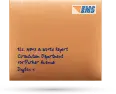
Your order is carefully packed and ships within 24 hours. Here is what a typical package looks like.
Sized like a regular personal letter (9.4x4.3x0.3 inches), with no indication of what is inside.


| Shipping Method | Estimated delivery |
|---|---|
| Express Free for orders over $300.00 | Estimated delivery to the U.S.: 4-7 days |
| Standard Free for orders over $200.00 | Estimated delivery to the U.S.: 14-21 days |









Discount Coupons
- Independence Day - July 4, 2026 10% JULY410
- Labor Day - September 7, 2026 7% LABOR07
- Thanksgiving - November 26, 2026 9% THANKS09
Brand Names
| Country | Brand Names |
|---|---|
 Argentina Argentina | Acneclin Asolmicina Clinax Meibi Pimple Seboclear |
 Australia Australia | Akamin Minomycin |
 Belgium Belgium | Klinotab Mino-50 Minotab |
 Brazil Brazil | Minoderm Minomax |
 Canada Canada | Arestin Enca |
 Czechia Czechia | Skid |
 France France | Dermirex Logryx Mestacine Minolis Mynocine Parocline Spicline Yelnac Zacnan |
 Germany Germany | Akne-Puren Aknefug Mino Aknereduct Aknin-Mino Aknosan durakne Icht-Oral Klinomycin Lederderm Minakne Mino-Wolff Minoclir Minogalen Minoplus Skid Skinocyclin Udima |
 Greece Greece | Cycline |
 Japan Japan | Periocline |
 Malaysia Malaysia | Borymycin Minoclin |
 Mexico Mexico | Banimed Micromycin Ranmino |
 Netherlands Netherlands | Aknemin Minotab Peritrol |
 New Zealand New Zealand | Minomycin Minotabs |
 Portugal Portugal | Arestin Cipancin Minotrex |
 United States United States | Arestin Cleeravue-M Dynacin Myrac Solodyn Vectrin |
| Manufacturer | Brand Names |
|---|---|
| Ipca Laboratories | CNN |
Description
Minocycline Hydrochloride
Minocycline is a semisynthetic tetracycline antibiotic derived from tetracycline.
Dosage and Administration
Reconstitution and Administration
Minocycline hydrochloride is usually administered orally. When oral therapy is not feasible, the drug may be given by IV infusion; however, oral therapy should replace IV therapy as soon as possible. If minocycline is given IV, the risk of thrombophlebitis should be considered.
Minocycline hydrochloride capsules, pellet-filled capsules, or oral suspension may be administered with or without food. To reduce the risk of esophageal irritation and ulceration, minocycline hydrochloride capsules or pellet-filled capsules should be taken with adequate amounts of fluid and should not be taken at bedtime or by patients with esophageal obstruction or compression.
Minocycline hydrochloride sterile powder is reconstituted by adding 5 mL of sterile water for injection to the vial labeled as containing 100 mg of minocycline to provide a solution containing 20 mg/mL. Each 100 mg of minocycline must be further diluted prior to administration with 500 mL to 1 liter of compatible IV infusion fluid to provide solutions containing 100–200 mcg/mL. Diluted IV solutions should be administered immediately after preparation and are usually infused over 6 hours.
Dosage
Dosage of minocycline hydrochloride is expressed in terms of minocycline and is identical for either route of administration. The usual adult oral or IV dosage of minocycline is 200 mg initially, followed by 100 mg every 12 hours.
Alternatively, if more frequent doses are preferred, the manufacturer states that adults may receive 100–200 mg of minocycline initially, followed by 50 mg 4 times daily. The usual oral or IV dosage of minocycline for children older than 8 years of age is 4 mg/kg initially, followed by 2 mg/kg every 12 hours.
Asymptomatic Meningococcus Carriers
To eliminate meningococci from the nasopharynx of asymptomatic Neisseria meningitidis carriers in situations in which the risk of meningococcal meningitis is high, the manufacturer states that 100 mg of oral minocycline should be given every 12 hours for 5 days; however, the US Centers for Disease Control and Prevention (CDC) and the American Academy of Pediatrics (AAP) currently recommend other agents (e.g., rifampin, ceftriaxone, ciprofloxacin) for chemoprophylaxis in close contacts of individuals with invasive meningococcal disease.
Leprosy
For the treatment of multibacillary leprosy in adults who cannot receive rifampin because of adverse effects, intercurrent disease (e.g., chronic hepatitis), or infection with rifampin-resistant Mycobacterium leprae, the World Health Organization (WHO) recommends supervised administration of a regimen of clofazimine (50 mg daily), ofloxacin (400 mg daily), and minocycline (100 mg daily) for 6 months, followed by clofazimine (50 mg daily) and minocycline (100 mg daily) for at least an additional 18 months.
For the treatment of multibacillary leprosy in adults who will not accept or cannot tolerate clofazimine, the WHO recommends supervised administration of a once-monthly rifampin-based multiple-drug regimen (ROM) that includes rifampin (600 mg once monthly), ofloxacin (400 mg once monthly), and minocycline (100 mg once monthly) for 24 months.
For single-lesion paucibacillary leprosy in certain patient groups, the WHO currently states that adults may receive a single-dose rifampin-based multiple-drug regimen (ROM) consisting of a single 600-mg dose of rifampin, a single 400-mg dose of ofloxacin, and a single 100-mg dose of minocycline. For pediatric patients, children 5–14 years of age may receive a single 300-mg dose of rifampin, a single 200-mg dose of ofloxacin, and a single 50-mg dose of minocycline; children younger than 5 years should receive an appropriately adjusted dose of each drug.
Other Mycobacterial Infections
Although the manufacturer states that the optimum dosage has not been established, granulomas of the skin caused by Mycobacterium marinum have been successfully treated with 100 mg of oral minocycline every 12 hours for 6–8 weeks. The American Thoracic Society (ATS) has recommended oral minocycline 100 mg twice daily for at least 3 months for cutaneous M. marinum infections and states that a minimum of 4–6 weeks of therapy is necessary to determine whether the infection is responding.
Gonorrhea and Associated Infections
The manufacturer states that uncomplicated gonorrhea (other than urethritis and anorectal infections in men) may be treated with 200 mg of oral minocycline initially, followed by 100 mg every 12 hours for a minimum of 4 days; follow-up cultures should be done within 2–3 days after completion of therapy. For uncomplicated gonococcal urethritis in adult males, the manufacturer states that oral minocycline 100 mg every 12 hours for 5 days may be used. However, tetracyclines are not included in current CDC guidelines for the treatment of gonorrhea, and doxycycline is the preferred tetracycline for presumptive treatment of coexisting chlamydial infection when indicated.
Syphilis
The manufacturer states that the usual oral minocycline dosage may be given for 10–15 days for the treatment of syphilis; close follow-up and laboratory tests are recommended. However, parenteral penicillin G is the drug of choice for all stages of syphilis, and doxycycline or tetracycline hydrochloride are the tetracyclines recommended by the CDC for the treatment of primary, secondary, latent, or tertiary syphilis in nonpregnant adults, adolescents, and children 8 years of age or older who are hypersensitive to penicillin.
Chlamydial and Mycoplasmal Infections
For nongonococcal urethritis caused by Chlamydia trachomatis or Ureaplasma urealyticum, the manufacturer states that adults may receive oral minocycline 100 mg every 12 hours for at least 7 days. However, doxycycline is the tetracycline recommended by the CDC for the treatment of nongonococcal urethritis.
Pleural Effusions
When used intrapleurally as a sclerosing agent to control pleural effusions associated with metastatic tumors, 300 mg of minocycline reportedly has been diluted with 40–50 mL of 0.9% sodium chloride injection and instilled into the pleural space through a thoracostomy tube, followed by clamping of the tube and subsequent removal of the fluid.
Cholera
For the treatment of cholera in conjunction with fluid and electrolyte replacement, an initial 200-mg oral dose of minocycline has been given followed by 100-mg oral doses every 12 hours for 48–72 hours.
Nocardiosis
For the treatment of nocardiosis, the usual oral minocycline dosage has been given in conjunction with a sulfonamide for 12–18 months.
Acne
In the adjunctive treatment of inflammatory acne vulgaris unresponsive to oral tetracycline hydrochloride or oral erythromycin, 50 mg of minocycline has been given orally 1–3 times daily.
Rheumatoid Arthritis
When used in the management of rheumatoid arthritis, adults have received oral minocycline 100 mg twice daily. A benefit may be evident 1–3 months after initiation of minocycline therapy.
Dosage in Renal Impairment
In patients with renal impairment, doses and/or frequency should be decreased in response to the degree of impairment. One manufacturer states that total daily oral dosage should not exceed 200 mg in patients with impaired renal function.
Cautions
Adverse CNS effects (e.g., vestibular reactions) occur more frequently with minocycline than with other tetracyclines. The true incidence has not been determined. Previously, vestibular symptoms were reported to occur in up to 21% of patients treated with minocycline. However, some studies indicate these reactions may occur in 30–90% of patients treated with usual dosages of minocycline.
Pharmacokinetics
In all studies described below, minocycline was administered as the hydrochloride salt.
Absorption
Approximately 90–100% of an oral dose of minocycline hydrochloride is absorbed from the GI tract in fasting adults. Following oral administration in fasting adults with normal renal function, peak serum concentrations are attained within 1–4 hours and average 2–3.5 mcg/mL following a single 200-mg dose. In one study, after an initial 200-mg oral dose followed by 100-mg doses every 12 hours, steady-state serum concentrations averaged 2.3–3.5 mcg/mL.
When administered as pellet-filled capsules to healthy adults immediately following a standardized meal containing dairy products, peak plasma concentrations were slightly decreased (11%) and delayed by approximately 1 hour compared with fasting adults; however, the extent of absorption (AUC) was similar in fed and fasting individuals.
GI absorption from oral dosage forms other than pellet-filled capsules may be reduced up to 20% by food and/or milk; however, this effect is usually not clinically important. Because tetracyclines chelate divalent or trivalent cations (e.g., aluminum, calcium, iron, magnesium), concurrent oral administration of antacids or other products containing these cations may decrease oral absorption.
Following IV infusion over 1 hour of 200 mg of minocycline in adults with normal renal function, serum concentrations averaged 4.2 mcg/mL immediately after the infusion, 2 mcg/mL at 6 hours, and 1.4 mcg/mL at 12 hours.
Elimination
The serum half-life of minocycline is 11–26 hours in adults with normal renal function. In one study, the half-life was about 17 hours after a single dose and 21 hours after multiple doses. In a limited number of patients with hepatic dysfunction, the serum half-life reportedly ranged from 11–16 hours.
Although study results are conflicting, most data indicate that serum half-life is not significantly affected by renal function. In severe renal impairment, the half-life is generally reported to be 12–30 hours following single or multiple doses.
In patients with normal renal function, approximately 4–19% of a single oral or IV dose is excreted in urine and 20–34% is excreted in feces within 72 hours as active drug. Some studies indicate that minocycline, unlike other tetracyclines, is partially metabolized to at least 6 metabolites.
Chemistry and Stability
Chemistry
Minocycline is a semisynthetic tetracycline antibiotic derived from tetracycline. It is commercially available as the hydrochloride salt in oral powder- or pellet-filled capsules, an oral suspension, or sterile powder. Minocycline hydrochloride occurs as a yellow, crystalline powder and is soluble in water and slightly soluble in alcohol. After reconstitution with sterile water for injection, solutions have a pH of 2–2.8.
Stability
Minocycline hydrochloride capsules should be stored at 59–86°F (15–30°C) and pellet-filled capsules at 68–77°F (20–25°C). These preparations should be protected from light, moisture, and excessive heat. Minocycline hydrochloride oral suspension should be stored at 68–77°F (20–25°C) and should not be frozen.
Minocycline hydrochloride for injection should be stored at 59–86°F (15–30°C) and protected from light. After reconstitution, solutions containing 20 mg/mL are stable for 24 hours at room temperature. Minocycline hydrochloride is compatible with the following IV fluids: 0.9% sodium chloride, 5% dextrose, 5% dextrose and 0.9% sodium chloride, Ringer’s, or lactated Ringer’s. Although minocycline is compatible with Ringer’s and lactated Ringer’s, it should not be mixed with other IV fluids containing calcium because precipitation may occur.