
Amoxil (Amoxicillin)

Dosages
Amoxil 250 mg
| Quantity | Price per tablet | Total price | |
|---|---|---|---|
| 20 | $2.00 | $40.00 | |
| 30 | $1.50 | $45.00 | |
| 60 | $0.92 | $55.00 | |
| 90 | $0.67 | $60.00 | |
| 120 | $0.58 | $70.00 | |
| 180 | $0.56 | $100.00 | |
| 270 | $0.44 | $120.00 | |
| 360 | $0.39 | $140.00 |
Amoxil 500 mg
| Quantity | Price per tablet | Total price | |
|---|---|---|---|
| 10 | $4.00 | $40.00 | |
| 20 | $2.25 | $45.00 | |
| 30 | $1.67 | $50.00 | |
| 60 | $1.00 | $60.00 | |
| 90 | $0.72 | $65.00 | |
| 120 | $0.67 | $80.00 | |
| 180 | $0.61 | $110.00 | |
| 240 | $0.50 | $119.00 | |
| 360 | $0.47 | $170.00 |
Payment & Shipping
Your order is carefully packed and ships within 24 hours. Here is what a typical package looks like.
Sized like a regular personal letter (9.4x4.3x0.3 inches), with no indication of what is inside.



| Shipping Method | Estimated delivery |
|---|---|
| Express Free for orders over $300.00 | Estimated delivery to the U.S.: 4-7 days |
| Standard Free for orders over $200.00 | Estimated delivery to the U.S.: 14-21 days |









Discount Coupons
- Independence Day - July 4, 2026 10% JULY410
- Labor Day - September 7, 2026 7% LABOR07
- Thanksgiving - November 26, 2026 9% THANKS09
Brand Names
| Country | Brand Names |
|---|---|
 Argentina Argentina | Abiotyl Abramox Almorsan Amixen Amox-G Amoxi Amoxibiot Amoxicilina Duo Amoxicina Amoxicler Amoxidal Amoxidal Duo Amoxigrand Amoxipenil Amoxipoten Amoxitenk Amoxol Antiamox Antibiocilina Antiobiocilina Apracur Biotic Ardine Atrival Biotamoxal Bioxilina Clofamox Darzitil Dunox Fabamox Flemoxon Fullcilina Fullcilina Duo Grinsil Grinsil Duo Mixcilin Moxitral Nobactam Optamox Oximar Plamox Telmox Trifamox Trifamox Duo Xalotina |
 Australia Australia | Alphamox Amohexal Ampexin Bgramin Cilamox Fisamox Ibiamox Maxamox Moxacin |
 Belgium Belgium | Amoxi Amoxycaps Amoxypen Bactimed Clamoxyl Docamoxici Flemoxin Hiconcil Moxaline Moxitop Novabritine |
 Brazil Brazil | Amoflux Amox Amoxadene Amoxi-Ped Amoxibron Amoxicap Amoxicom Amoxidil Amoxifar Amoximed Amoxina Amoxipen Amoxitan Amplal Amplamox Ariproxina Bimoxin Camoxin Cibramicina Ductocilina Duzimicin Farmoxil Flemoxon Hiconcil Hincomox Ibamoxil Licilon Lifamox Moxiplus Nemoxil Neo Moxicilin Novacil Novocilin Novoxil Ocylin Penvicilin Pharmox Polibac Polimoxil Probenil Prodoxil Respicilin Trimox Ultramox Uni Amox Velamox |
 Canada Canada | Amox Apo-Amoxi Lin-Amox Novamoxin Nu-Amoxi |
 Czechia Czechia | Amoclen Amogal Amoxihexal Apo-Amoxi Duomox Gonoform Grunamox InfectoMox Ospamox |
 Denmark Denmark | Flemoxin Imacillin Imadrax |
 Finland Finland | Amorion Amoxin Clamox Flemoxin Penalta |
 France France | A-Gram Amodex Amophar Amoxine Bactox Bristamox Clamoxyl Flemoxine Gramidil Hiconcil Zamocilline |
 Germany Germany | Aloxyn Amagesan Amc-Puren Amoxi amoxi-basan Amoxi-Diolan Amoxi-Hefa Amoxi-Puren Amoxi-Tablinen Amoxi-Wolff Amoxibeta Amoxibiocin Amoxidoc Amoxihexal Amoxillat Amoximerck Amoxypen Clamoxyl Cuxacillin Dignoamoxicillin dura AX espa-moxin Flui-Amoxicillin Glassatan InfectoMox Jephoxin Jutamox Padiamox Phamoxi Sigamopen Ulcolind Amoxi Uro-Clamoxyl |
 Greece Greece | Amospes Amoximycin Aproxal Bimoxal Chromoxyl Daminopen Dipenocin Drinus Flemoxin Geymocillina Izoltil Lamberin Matasedrin Ospamox Paradroxil Prevasal Princimox Selevistine Stevencillin Surmagal Triodanin Wesfem |
 Hungary Hungary | Clonamox Duomox Humamoxin Ospamox |
 Italy Italy | Alfamox AM 73 Amocrin Amoflux Amosol Amox Amoxibiotic Amoxillin Amoxina Amoxipen Aspenil Bradimox Cabermox Dodemox Erremox Genimox Helimox Hydramox Ibiamox Isimoxin Majorpen Mopen Moxiren Neo-Ampiplus Neotetranase Oralmox Pamocil Piramox Progemox Sievert Simoxil Simplamox Sintopen Velamox Zamocillin Zimox |
 Japan Japan | Pasetocin |
 Malaysia Malaysia | Beamoxy Moxacil Moxilen Moxipen Ospamox Setmoxil |
 Mexico Mexico | Acimox Acroxil Ameclina Amicil Amobay Amoxifur Amoxinovag Amoxisol Amoxivet Ampliron Amsaxilina AMX Ardine Armoxin Axcil Betabiot Bimoxan Biotaxil Biovicam Brenoxil Deniren Dimopen Doxamil Examolin Flemoxon Gimalxina Grunicina Hidramox Limoxin Lorexil M Lumox Micro Mox Mocimed Moxicel Moxiclina Moxlin Penamox Penticlox Polymox Prodomix Servamox Servamox-F Solciclina Vandix Xalyn-Or Xiprocan |
 Netherlands Netherlands | Amoxi Amoxilag Clamoxyl Flemoxin Hiconcil |
 New Zealand New Zealand | Alpha-Amoxi Apo-Amoxi Flemoxin Ibiamox Moxlin Ospamox Penamox |
 Norway Norway | Amimox Amoxillin Imacillin |
 Poland Poland | Amotaks Apo-Amoxi Duomox Grunamox Hiconcil Novamox Ospamox |
 Portugal Portugal | Amplamox Bodisan Cipamox Clamoxyl Flemoxin Moxadent Moxipen Oraminax Ospamox Penamox |
 Spain Spain | Actimoxi Acuotricina Agerpen Amitron Amoflamisan Amox Amoxaren Amoxibacter Amoxidel Amoxi Gobens Amoximedical Amoxipen Amoxyvinco Apamox Ardine Axibiot Becabil Bimoxi Bioxidona Blenox Bolchipen Borbalan Britamox Brondix Cidanamox Clamoxyl Co Amoxin Combitora Dacala Damoxicil Diacibrone Dobriciclin Edoxil Eupen Flubiotic NF Hortepulmo Antibio Hosboral Inexbron Maxiampil Mediamox Metifarma Morgenxil Moxipin Novagcilina Olmopen Precopen Raudopen Recefril Reloxyl Remisan Riotapen Salvapen Suamoxil Superpeni Teramox Tolodina Wassermox |
 Sweden Sweden | Amimox Amoxiferm Bristamox Flemoxin Imacillin |
 Turkey Turkey | Alfoxil Amoksilav Amoksilin Amoksina Amosin Atoksilin Demoksil Largopen Moksilin Remoxil Topramoxin |
 United States United States | Biomox DisperMox Larotid Moxatag Polymox Trimox Wymox |
| Manufacturer | Brand Names |
|---|---|
| Sun Pharmaceutical Industries Ltd. | amx Svizmox |
| Svizera Labs Private Limited | amx Svizmox |
FAQ
Description
Amoxicillin, initially introduced in the early 1970s for oral use in the U.K., has become a widely used oral penicillin antibiotic for treating a range of bacterial infections caused by susceptible organisms.
Compared with penicillin V, amoxicillin has activity against many Gram-positive organisms and some Gram-negative organisms; however, many bacteria may be resistant (for example, if they produce beta-lactamases). When beta-lactamase–producing bacteria are suspected, amoxicillin is sometimes used in combination with clavulanic acid (amoxicillin/clavulanate).
What is Amoxicillin?
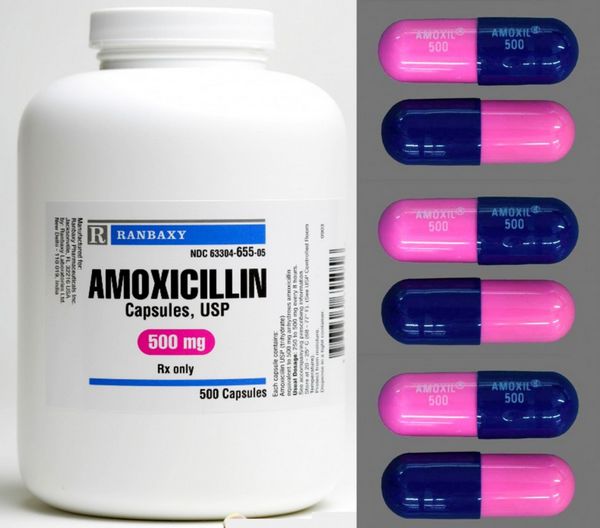
Amoxicillin is a semisynthetic penicillin antibiotic that inhibits bacterial cell wall synthesis, which can kill susceptible bacteria. It is effective against a range of bacteria and is commonly prescribed for both adults and children when the organism is expected to be susceptible.
History and Challenges in Development
Historically, infectious diseases were the most important contributor to human morbidity and mortality until recent times, when noncommunicable diseases began to rival and sometimes exceed infections.
Today, infectious diseases still account for a large proportion of death and disability worldwide and, in certain regions, remain the most important cause of ill health. Infectious diseases are major public health issues for both developed and developing countries.
Acute respiratory infections are a major infectious cause of death worldwide. Current key community and hospital bacterial disease burdens include pediatric infections and multiple drug resistance in Gram-positive and Gram-negative organisms.
An increasing prevalence of antibiotic resistance has led to a progressive decrease in the effectiveness of narrow-spectrum agents and an increase in difficult-to-treat infections.
In the 1960s, a limited range of non-beta-lactam antibacterials was available; most had certain limitations in terms of toxicity, e.g., sulfonamides (rashes and renal toxicity); streptomycin and kanamycin (ototoxicity and nephrotoxicity); chloramphenicol (bone marrow aplasia); erythromycin (gastrointestinal side effects); tetracyclines (concentrate in developing bones and teeth); and colistin (neuro- and nephrotoxicity).
A number of beta-lactams, penicillins: penicillin G and V (gastric acid-labile), ampicillin, methicillin (nephrotoxicity), and cephalosporins: cephaloridine and cephalothin (nephrotoxicity), were reported. These agents were generally given as four-times-daily doses and were associated with rashes and, rarely, anaphylaxis.
At the end of the 1960s, challenging infections requiring hospital treatment included meningitis, endocarditis, neonatal infections, penicillin-resistant staphylococcal infections, and infections caused by Gram-negative organisms. In primary care, infections of the urinary tract, respiratory tract, skin, and soft tissues are common causes of morbidity and sometimes mortality.
Further problem areas emerging in the 1970s included mixed infections, antibiotic-resistant bacteria, new pathogens, and infections in immunocompromised patients, those undergoing surgery, and infections in hemodialysis patients.
Broad-spectrum antibiotics active against resistant organisms and in mixed infections were required. The 1970s saw the introduction of a number of important new antimicrobial agents, some of which were still associated with adverse events, such as co-trimoxazole (rashes and sulfonamide toxicity), tobramycin and amikacin (aminoglycoside toxicity), and metronidazole (neuropathy).
Certain new beta-lactam antibiotics were also introduced, including the cephalosporins ― cefamandole, cefuroxime; the cephamycin, cefoxitin; and the penicillins -amoxicillin, flucloxacillin, mezlocillin, azlocillin, and ticarcillin. All could be associated with rashes and, rarely, anaphylaxis. In 1972, amoxicillin was introduced in the U.K., which maintained the broad-spectrum activity of ampicillin but with increased bioavailability. As beta-lactamase production by both Gram-positive and Gram-negative pathogens became a clinically relevant issue, efforts were made to develop an orally bioavailable, broad-spectrum penicillin that was also effective against these strains, resulting in the combination of amoxicillin and clavulanic acid (amoxicillin/clavulanate).
Amoxicillin was developed at Beecham and became available in the early 1970s under the original trade name Amoxil. It was later combined with clavulanic acid to help address infections where beta-lactamase production is a concern (amoxicillin/clavulanate).
These included activity against penicillinase-producing Gram-positive and Gram-negative organisms (including anaerobes), a broad spectrum of activity and good tolerability, including in children, availability as both an oral and injectable formulation, and activity in a range of indications, including urinary tract infections (UTIs), respiratory tract infections (RTIs), skin and soft tissue infections (SSTIs), intra-abdominal infections, and septicemia.
This set the scene for developing an antibacterial agent to fulfill these requirements. Although new antibacterial compounds are currently in development, most are at a pre-clinical stage. Therefore, it is necessary to make the best use of currently available agents. The development of higher dosing regimens and pharmacokinetically enhanced formulations has allowed amoxicillin (alone and in combination) to continue to play an important role in the treatment of a range of infections, particularly those of the respiratory tract, in both adults and children worldwide.
Comparison of Amoxicillin with Other Antibiotics
The list below includes commonly prescribed antibiotics in outpatient practice. Rankings vary by country and year; for example, U.S. CDC outpatient data (2022) lists amoxicillin, azithromycin, amoxicillin/clavulanate, doxycycline, and cephalexin among the top oral agents.
- Amoxicillin – Commonly used for infections caused by susceptible bacteria (e.g., ear, nose, and throat infections; lower respiratory tract infections; skin and urinary tract infections, depending on the organism and local resistance).
- Cephalexin – Commonly used for skin and soft tissue infections and some urinary tract infections (depending on local susceptibility).
- Amoxicillin with Clavulanic Acid (Augmentin) – Often chosen when beta-lactamase–producing bacteria are suspected or when broader coverage is needed for certain infections.
- Doxycycline – Used for a wide range of infections, including those caused by atypical organisms; use may be limited by patient age and other factors.
- Ciprofloxacin – A fluoroquinolone often reserved for specific indications when benefits outweigh risks and alternatives are not suitable.
- Co-trimoxazole (TMP-SMX) – Commonly used for certain urinary tract infections and other susceptible infections, depending on local resistance.
- Flucloxacillin – Used mainly in the U.K./EU for staphylococcal skin infections (not available in the U.S.; a similar U.S. option is dicloxacillin).
- Clindamycin – Used for certain Gram-positive and anaerobic infections; associated with a higher risk of C. difficile infection.
- Metronidazole – Targets anaerobic bacteria and certain protozoa, commonly used for anaerobic infections and conditions such as bacterial vaginosis.
- Azithromycin – A macrolide used for some respiratory infections and certain STIs; local resistance patterns and patient risk factors matter.
Comparison of Amoxicillin with Other Most Frequently Prescribed Antibiotics
Antibiotic |
Spectrum of Activity |
Mechanism of Action |
Common Indications |
Side Effects |
Formulation/Administration |
Penicillin; active against many Gram-positive and some Gram-negative organisms (susceptibility varies) |
Inhibits cell wall synthesis |
ENT/ear infections, lower respiratory tract infections, skin infections, some UTIs |
Nausea, diarrhea, rash |
Oral (tablets, suspension) |
|
Primarily Gram-positive; some Gram-negative (susceptibility varies) |
Inhibits cell wall synthesis |
Skin infections; some respiratory and urinary infections (depending on organism) |
Nausea, diarrhea, skin rash |
Oral (capsules, suspension) |
|
Broader than amoxicillin alone (includes some beta-lactamase producers) |
Inhibits cell wall synthesis & beta-lactamase inhibitor |
Sinusitis, certain respiratory infections, skin infections |
Nausea, diarrhea; rare liver injury (e.g., cholestatic hepatitis) |
Oral (tablets, suspension) |
|
Broad-spectrum (including atypical organisms) |
Inhibits protein synthesis |
Respiratory infections, acne; some tick-borne infections |
Photosensitivity, gastrointestinal issues |
Oral (tablets/capsules), IV |
|
Strong Gram-negative activity; limited Gram-positive activity (varies by organism) |
Inhibits DNA gyrase |
Certain UTIs and other Gram-negative infections (often reserved when alternatives are not suitable) |
Nausea, diarrhea; boxed warning includes tendinitis/tendon rupture and other serious risks |
Oral (tablets), IV |
|
Broad against selected organisms (susceptibility varies) |
Inhibits folic acid synthesis (two-step inhibition) |
Some UTIs; other susceptible infections depending on guidance |
Rash, nausea (rare severe reactions can occur) |
Oral (tablets/suspension), IV (some products) |
|
Flucloxacillin |
Narrow-spectrum (anti-staphylococcal penicillin; regional use) |
Inhibits cell wall synthesis |
Skin and soft tissue infections caused by susceptible staphylococci (availability varies by country) |
Nausea, diarrhea |
Oral (capsules), IV (region-dependent) |
Gram-positive and anaerobic coverage (varies by organism) |
Inhibits protein synthesis |
Skin infections, anaerobic infections |
Diarrhea (C. difficile risk), rash |
Oral (capsules), IV |
|
Anaerobic bacteria & protozoa |
Disrupts DNA synthesis |
Anaerobic infections; certain parasitic infections; bacterial vaginosis |
Nausea, metallic taste |
Oral (tablets), IV |
|
Macrolide; includes atypical pathogens (susceptibility varies) |
Inhibits protein synthesis |
Respiratory infections; some STIs |
Nausea, abdominal pain; QT prolongation risk in some patients |
Oral (tablets), IV |
Let’s examine the key comparisons of the commonly used antibiotics, focusing on their clinical implications, resistance patterns, and specific considerations for use.
Amoxicillin vs. Augmentin (Amoxicillin/Clavulanate)
Amoxicillin is effective against many Gram-positive and some Gram-negative bacteria, making it suitable for treating conditions like respiratory infections and otitis media when the organism is expected to be susceptible. In contrast, Augmentin combines amoxicillin with clavulanate, which inhibits beta-lactamase enzymes produced by certain resistant bacteria. This combination can enhance activity against organisms that would otherwise be resistant to amoxicillin alone. While both antibiotics share similar side effects, Augmentin may result in a higher incidence of gastrointestinal disturbances due to clavulanate.
Amoxicillin vs. Cephalexin
Cephalexin, a first-generation cephalosporin, primarily targets Gram-positive bacteria and is often used for skin infections. While amoxicillin covers many Gram-positive organisms and some Gram-negative organisms, activity depends on susceptibility and local resistance. Both antibiotics inhibit bacterial cell wall synthesis; their side effect profiles are generally similar, with gastrointestinal symptoms being common.
Amoxicillin vs. Doxycycline
Doxycycline is a broad-spectrum antibiotic effective against atypical bacteria and is also used for certain infections where intracellular activity is important (e.g., some tick-borne infections; malaria prevention in travelers). Unlike amoxicillin, doxycycline inhibits protein synthesis. Doxycycline is generally avoided for routine infections in children under 8 years because of tooth effects; however, it may be used when benefits outweigh risks (for example, for certain rickettsial infections per CDC guidance). In contrast, amoxicillin is frequently prescribed for pediatric patients when appropriate.
Amoxicillin vs. Ciprofloxacin
Ciprofloxacin is a fluoroquinolone antibiotic with potent activity against many Gram-negative bacteria and is used for certain infections, including some urinary tract infections (UTIs). For certain uncomplicated infections, FDA safety communications advise that fluoroquinolones be reserved for patients who do not have other available treatment options, due to the risk of serious side effects. The mechanisms of action differ significantly; amoxicillin disrupts cell wall synthesis, while ciprofloxacin inhibits DNA gyrase, affecting bacterial replication. Ciprofloxacin also carries risks of serious side effects, such as tendon rupture.
Amoxicillin vs. Co-trimoxazole (TMP-SMX)
TMP-SMX is a combination antibiotic that inhibits folic acid synthesis and is used for certain infections (including some UTIs), depending on local resistance patterns and clinical guidance. Amoxicillin has broader use for infections like certain respiratory and ENT conditions when organisms are susceptible. Side effects of TMP-SMX can include rash and gastrointestinal upset; more serious reactions are uncommon but possible.
Amoxicillin vs. Flucloxacillin
Flucloxacillin is designed to combat susceptible staphylococcal infections and has a narrower spectrum than amoxicillin. It is used mainly in the U.K./EU and is not available in the U.S. Both antibiotics inhibit cell wall synthesis but are used in different contexts; amoxicillin is used for a range of infections, while flucloxacillin is often chosen for skin and soft tissue infections caused by susceptible staphylococci.
Amoxicillin vs. Clindamycin
Clindamycin is effective against anaerobes and certain Gram-positive cocci and is often used in patients with penicillin allergies. While amoxicillin effectively treats a wide range of infections when organisms are susceptible, clindamycin’s mechanism involves inhibiting protein synthesis rather than disrupting cell wall synthesis. This makes clindamycin useful for dental infections and abscesses where anaerobic bacteria are involved. However, clindamycin carries a risk of C. difficile infection, which requires careful monitoring.
Amoxicillin vs. Metronidazole
Metronidazole targets anaerobic bacteria and certain protozoa, making it suitable for bacterial vaginosis and several anaerobic infections. In contrast to amoxicillin’s activity against many aerobic bacteria, metronidazole works by disrupting DNA synthesis in anaerobic environments. For C. difficile infection in adults, current guidelines generally recommend fidaxomicin or vancomycin for most cases; metronidazole may be used only in selected situations when other options are not available.
Amoxicillin vs. Azithromycin
Azithromycin offers coverage for atypical pathogens such as Mycoplasma pneumoniae. It may be considered for certain respiratory infections and in some patients with penicillin allergy, but local resistance patterns matter. For acute otitis media in children (when antibiotics are used), amoxicillin is commonly recommended as first-line therapy in appropriate patients. Azithromycin has been associated with QT prolongation risk in some patients, particularly those with additional risk factors.
Benefits of Amoxicillin
- Amoxicillin is effective against various bacteria, particularly many Gram-positive organisms and some Gram-negative bacteria, when the organism is susceptible.
- It is FDA-approved for multiple infections caused by susceptible bacteria, including certain ear, nose, and throat infections, lower respiratory tract infections, genitourinary tract infections, and skin and soft tissue infections.
- Amoxicillin inhibits bacterial cell wall synthesis, which can kill susceptible bacteria.
- For certain adult patients, amoxicillin is FDA-approved as part of combination regimens for Helicobacter pylori infection and duodenal ulcer disease (e.g., with clarithromycin and lansoprazole in triple therapy).
- Amoxicillin is generally well tolerated; discuss use in pregnancy or breastfeeding with a clinician, as recommendations depend on the clinical situation.
- Used off-label in some situations (based on clinical guidelines), such as treatment of early Lyme disease and antibiotic prophylaxis before certain dental procedures in a small group of high-risk patients.
While amoxicillin remains an important option for treating bacterial infections caused by susceptible organisms, understanding its differences from other antibiotics is very important. Each antibiotic has unique strengths and limitations that influence its use in clinical practice, emphasizing the importance of appropriate antibiotic selection to support good outcomes and help reduce unnecessary antibiotic use.
Contraindications and Key Precautions for Amoxicillin by Age Group
The main contraindication is a serious allergy (hypersensitivity) to amoxicillin or other β-lactam antibiotics; other items below are precautions (warnings), situations where dose adjustment may be needed, or potential interaction risks.
Infants (0-12 Months) and Toddlers (1-5 years)
Infants with a documented history of serious hypersensitivity to amoxicillin or other beta-lactam antibiotics (e.g., penicillins and cephalosporins) should not receive this medication. Severe reactions (including anaphylaxis) can occur and may be life-threatening.
Amoxicillin is generally not recommended in patients with infectious mononucleosis because a high percentage develop an erythematous skin rash.
In significant renal impairment, dose adjustment is often required because amoxicillin clearance decreases as renal function declines.
Children (5-14 years)
Children with a history of serious allergic reactions (type I hypersensitivity) to penicillins or cephalosporins should avoid amoxicillin. This includes those who have experienced anaphylaxis or severe skin reactions such as Stevens-Johnson syndrome.
As in younger children, amoxicillin is generally not recommended in infectious mononucleosis due to the high risk of rash.
In cystic fibrosis, the pharmacokinetics of some antibiotics can be altered; dosing may need to be individualized by a clinician (this is not a formal contraindication).
Adults (18-65 years)
Adults with a known serious allergy to amoxicillin or other penicillin antibiotics should not take this medication. Because serious hypersensitivity reactions can also occur with other β-lactams, clinicians may evaluate allergy history carefully before using related antibiotics.
Hepatic impairment: product labeling does not recommend a routine dose adjustment; clinicians may monitor based on the clinical situation.
Amoxicillin is generally not recommended in patients with infectious mononucleosis due to the high risk of rash.
Geriatric Patients (over 65 years)
Older adults often experience decreased renal function, which necessitates careful evaluation before prescribing amoxicillin. In cases of significant renal impairment, dosage adjustments are important to avoid drug accumulation.
Geriatric patients frequently take multiple medications, increasing the risk of interactions. Oral anticoagulants (e.g., warfarin): abnormal prolongation of prothrombin time/increased INR has been reported; monitor INR/prothrombin time and adjust the anticoagulant dose if needed.
As with other age groups, patients with a history of serious allergic reactions to penicillin or other β-lactam antibiotics should avoid amoxicillin due to the risk of severe hypersensitivity reactions.
Check the table with age groups and their contraindications/precautions:
Age Group |
Contraindication / Precaution |
Description |
Infants (0-12 months) and Toddlers (1-5 years) |
Serious hypersensitivity (contraindication) |
Infants with a documented history of serious hypersensitivity to amoxicillin or other beta-lactam antibiotics (e.g., penicillins and cephalosporins) should not receive this medication. Severe reactions (including anaphylaxis) can occur and may be life-threatening. |
Infectious mononucleosis (avoid) |
Amoxicillin is generally not recommended in patients with infectious mononucleosis because a high percentage develop an erythematous skin rash. |
|
Renal impairment (dose adjustment) |
In significant renal impairment, dose adjustment is often required because amoxicillin clearance decreases as renal function declines. |
|
Children (5-14 years) |
Serious allergic reactions (contraindication if severe) |
Children with a history of serious allergic reactions (type I hypersensitivity) to penicillins or other β-lactams should avoid amoxicillin. This includes anaphylaxis or severe skin reactions such as Stevens-Johnson syndrome. |
Infectious mononucleosis (avoid) |
As in younger children, amoxicillin is generally not recommended in infectious mononucleosis due to the high risk of rash. |
|
Cystic fibrosis (individualize therapy) |
In cystic fibrosis, the pharmacokinetics of some antibiotics can be altered; dosing may need to be individualized by a clinician (not a formal contraindication). |
|
Adults (18-65 years) |
Serious hypersensitivity (contraindication) |
Adults with a known serious allergy to amoxicillin or other β-lactam antibiotics should not take this medication. Clinicians may assess allergy history carefully before using related antibiotics. |
Hepatic impairment (precaution) |
Hepatic impairment: product labeling does not recommend a routine dose adjustment; clinicians may monitor based on the clinical situation. |
|
Mononucleosis (avoid) |
Amoxicillin is generally not recommended in infectious mononucleosis due to the high risk of rash. |
|
Geriatric Patients (65+ years) |
Renal function decline (dose adjustment) |
Older adults often experience decreased renal function. In significant renal impairment, dosage adjustments may be needed to avoid drug accumulation. |
Oral anticoagulants (interaction risk) |
Abnormal prolongation of prothrombin time/increased INR has been reported with amoxicillin and oral anticoagulants. Monitor INR/prothrombin time and adjust the anticoagulant dose if needed. |
|
History of serious allergic reactions (contraindication) |
As with other age groups, patients with a history of serious hypersensitivity reactions to penicillins/β-lactams should avoid amoxicillin. |
General Considerations Across All Age Groups
- Drug Interactions: Amoxicillin can interact with various medications, including allopurinol and probenecid. These interactions can increase the risk of rash (allopurinol) or increase and prolong amoxicillin blood levels (probenecid).
- Resistance Issues: It is not appropriate to use amoxicillin when a bacterial infection is not suspected, because unnecessary antibiotic use promotes drug-resistant bacteria.
- Indications: Amoxicillin is indicated for treating bacterial infections caused by susceptible organisms, including certain respiratory tract infections, urinary tract infections, and skin infections.
- Dosages and Forms: The typical dosage varies based on the infection and patient age, with forms available as oral capsules, tablets, and liquid suspensions, allowing for flexibility in administration.
- Side Effects: Common side effects include gastrointestinal disturbances such as nausea and diarrhea and potential allergic reactions that may require immediate medical attention.
- Other Antibiotics: Amoxicillin is not effective for viral infections and should be used judiciously; alternative antibiotics may be necessary in cases of serious β-lactam allergy or resistance.
Special Warnings
Serious and occasionally fatal hypersensitivity reactions, including anaphylaxis, have been reported in patients receiving penicillin therapy. Individuals with a history of penicillin hypersensitivity or multiple allergies are at greater risk. Before starting amoxicillin, a thorough assessment of previous allergic reactions to penicillins, cephalosporins, or other allergens is essential. If an allergic reaction occurs, amoxicillin should be discontinued and you should seek emergency medical care; clinicians may use epinephrine and supportive care as appropriate.
Clostridioides difficile-associated diarrhea (CDAD) can occur with nearly all antibacterial agents, including amoxicillin. It can range from mild diarrhea to severe colitis. The disruption of normal colonic flora allows for C. difficile overgrowth, which produces toxins A and B that contribute to CDAD. Hypertoxin-producing strains are particularly concerning due to their association with increased morbidity and mortality.
CDAD should be considered in any patient presenting with diarrhea after antibiotic use. Careful medical history is necessary since CDAD has been reported to occur over two months after the administration of antibacterial agents. If CDAD is suspected or confirmed, a clinician may recommend stopping the non-targeted antibiotic and starting appropriate management.
Understanding these contraindications and precautions is important for safe use across different age groups while minimizing risks associated with therapy.
Amoxicillin and Antibiotic Resistance
Antibiotic resistance is a pressing global health issue that threatens to undermine decades of medical advancements. As bacteria evolve and adapt, they become resistant to the drugs designed to eliminate them, increasing morbidity, mortality, and healthcare costs. Understanding the factors contributing to this phenomenon is crucial for developing effective strategies to combat it.
Biological Mechanisms of Resistance
- When antibiotics are used, they create a selective pressure on bacterial populations. Sensitive bacteria are killed, while those with resistant genes survive and reproduce, leading to a predominance of resistant strains within the microbial community.
- Bacteria reproduce rapidly. During this process, mutations can occur in their genetic material. Some of these mutations may confer antibiotic resistance, allowing those bacteria to survive treatment and proliferate.
- Bacteria can exchange genetic material through a process known as horizontal gene transfer. This allows resistant bacteria to pass their resistance genes to non-resistant strains, further propagating the issue within bacterial populations.
Societal Pressures Contributing to Resistance
- One of the most significant contributors to antibiotic resistance is healthcare providers’ inappropriate prescription of antibiotics. This includes prescribing antibiotics for viral infections or when they are not needed. Patients may also pressure doctors for antibiotics, leading to unnecessary prescriptions.
- Often, healthcare providers must make treatment decisions based on limited information. This can result in using broader coverage when a more targeted approach would be appropriate, increasing the likelihood of resistance development.
- Hospitals are hotspots for antibiotic-resistant infections due to the high use of antimicrobials among critically ill patients and the proximity of patients with compromised immune systems. This environment facilitates the spread of resistant organisms.
- The use of antibiotics in livestock can contribute to resistance. In the U.S., medically important antibiotics are no longer labeled for growth promotion, but they may still be used for disease treatment/prevention under veterinary oversight, depending on the product and setting.
The Impact of Urbanization and Hygiene
As urban populations grow denser, the risk of exposure to infectious diseases increases. Poor sanitation and hygiene practices in crowded environments can facilitate the spread of antibiotic-resistant bacteria. Inadequate infection control measures in healthcare settings exacerbate this issue, making it challenging to contain outbreaks.
The Decline in New Antibiotic Development
Despite the need for new antibiotics, the discovery rate has declined over recent decades. The pharmaceutical industry faces challenges such as high research costs and regulatory hurdles that deter investment in new antibiotic development. Without new treatments, some infections may become more difficult to treat.
Impact of Amoxicillin on Resistance Selection
The impact of amoxicillin on resistance selection is a critical area of study, particularly as antibiotic resistance continues to pose significant public health challenges.
Resistance Selection Dynamics
Amoxicillin is effective against a variety of bacterial infections caused by susceptible organisms. However, its use can lead to the selection of resistant strains, primarily through mechanisms such as:
- Selective Pressure – When amoxicillin is administered, it exerts selective pressure on bacterial populations. Sensitive bacteria are eliminated, while those with mutations or acquired resistance genes survive and proliferate.
- Fitness Costs – In one randomized, placebo-controlled trial (community-acquired lower respiratory tract infections), resistance selection in oropharyngeal streptococci after amoxicillin was modest and tended to decline over time, likely due to fitness costs; however, the proportion of more resistant strains remained above baseline at days 28–35.
- Duration of Resistance – Some studies show resistance levels can increase shortly after treatment and then decline over the following weeks; however, the timeline varies by bacteria and antibiotic class, and levels may still be higher than baseline in some settings.
Mechanisms of Resistance to Amoxicillin
The mechanisms by which bacteria develop resistance to amoxicillin include:
- Alterations in Penicillin-Binding Proteins (PBPs): Amoxicillin targets PBPs involved in bacterial cell wall synthesis. Mutations in these proteins can reduce the antibiotic’s binding affinity, resulting in resistance.
- Production of β-lactamase: Some bacteria produce enzymes known as β-lactamases that can hydrolyze and inactivate β-lactam antibiotics like amoxicillin. The presence of plasmids carrying genes for these enzymes can facilitate the spread of resistance among bacterial populations.
While amoxicillin remains an effective treatment option, its use must be judicious. Healthcare providers should ensure that antibiotics are prescribed only when necessary and appropriate, minimizing unnecessary exposure that could contribute to resistance development.
It is crucial to continuously monitor antibiotic resistance patterns. Understanding how resistance evolves in response to specific antibiotics like amoxicillin can help guide future treatment strategies and inform public health initiatives aimed at combating antibiotic resistance.
Strategies to Combat Resistance
To mitigate the risk of developing antibiotic resistance associated with amoxicillin and other antibiotics, several strategies can be employed:
- Take Antibiotics Exactly as Prescribed: Take antibiotics exactly as prescribed. Do not skip doses or stop early without talking to your clinician, even if you feel better.
- Avoid Unnecessary Antibiotics: Antibiotics should only be used when necessary. They are ineffective for viral infections like colds or flu and can contribute to resistance.
- Educate Patients: It is crucial to raise patients’ awareness about antibiotic resistance and proper antibiotic use.
- Infection Control Practices: Implementing stringent infection control measures in healthcare settings can help prevent the spread of resistant bacteria.
Amoxicillin remains essential in treating bacterial infections; however, its role in antibiotic resistance cannot be overlooked. By understanding how resistance develops and taking proactive measures to prevent it, healthcare providers and patients can work together to preserve the effectiveness of this vital medication.
Interactions with Amoxicillin
Amoxicillin can interact with some medications and vaccines. Tell your clinician and pharmacist about all medicines, supplements, and vaccines you use before starting treatment.
Drug Interactions
Here is an overview of key interactions that may affect treatment outcomes.
| Category | Medication | Interaction Details |
|---|---|---|
Key drug interactions (clinically relevant) |
Probenecid |
Co-administration is not recommended; it can increase and prolong blood levels of amoxicillin. |
Oral anticoagulants (e.g., warfarin) |
Increased INR/prothrombin time has been reported; monitoring and dose adjustment of the anticoagulant may be needed. |
|
Allopurinol |
Co-administration increases the risk of rash. |
|
Oral contraceptives |
Amoxicillin may reduce the efficacy of oral contraceptives; consider a backup method during treatment and for a short time after, as advised by a clinician. |
|
Vaccines |
Typhoid vaccine, live (Ty21a) / Cholera vaccine, live |
Systemic antibiotics can reduce the effectiveness of some live oral vaccines. Follow the vaccine’s prescribing information on timing relative to antibiotic use. |
Other important precautions |
Methotrexate |
Penicillins (including amoxicillin) may reduce methotrexate clearance and increase toxicity risk; clinicians may recommend monitoring or an alternative antibiotic depending on the situation. |
Understanding these interactions is important for safe treatment planning. Patients should inform health care providers about all medications they are taking to help avoid adverse effects.
Disease Interactions
Amoxicillin may require extra caution in certain conditions:
Colitis
Antibacterial agents, including amoxicillin, can cause antibiotic-associated diarrhea and colitis, including Clostridioides difficile-associated diarrhea (CDAD). Monitor for diarrhea during or after therapy, especially if there is a history of colitis or other gastrointestinal disease.
Mononucleosis
Patients with infectious mononucleosis should generally avoid amoxicillin because a high percentage develop an erythematous skin rash. This rash may be mistaken for an allergy, but it is commonly reported in this setting.
Phenylketonuria (PKU)
Amoxicillin chewable tablets may contain aspartame (a source of phenylalanine). Oral suspension formulations of AMOXIL do not contain phenylalanine (check your product’s label).
Renal Dysfunction
Patients with renal dysfunction may have decreased clearance of amoxicillin. Dose adjustments may be needed based on kidney function.
Hemodialysis
Amoxicillin is partially removed by hemodialysis. Clinicians may adjust timing or provide supplemental dosing based on the regimen.
Side Effects of Amoxicillin
Understanding possible side effects and warning signs can help support safe use.
Possible Side Effects
Like all medicines, amoxicillin can cause side effects, although not everybody gets them. Tell your health care professional if any of the following side effects happen to you:
Most common (reported in >1% of people in clinical trials): diarrhea, rash, vomiting, and nausea.
Other side effects reported: yeast overgrowth (thrush), black hairy tongue, tooth discoloration (mainly reported in children), crystalluria (cloudy urine or discomfort when passing urine), and kidney inflammation (interstitial nephritis). Rarely, seizures can occur (more likely with high doses or with kidney problems).
Serious Side Effects
Stop taking amoxicillin and seek urgent medical care if you notice any of the following:
- Severe allergic reaction (anaphylaxis): swelling of the face/lips/tongue, hives, wheezing, trouble breathing, or trouble swallowing.
- Severe skin reactions (rare): blistering/peeling skin, widespread rash, rash with fever, or sores in the mouth/eyes (possible SJS/TEN, DRESS, or AGEP).
- Severe or persistent diarrhea, especially watery or bloody diarrhea with fever or stomach cramps (possible Clostridioides difficile-associated diarrhea/colitis).
- Liver problems (rare): yellow skin/eyes (jaundice), dark urine, or pale stools.
- Unusual bleeding/bruising or signs of blood cell problems (e.g., sore throat with fever, easy bruising).
- Neurologic symptoms: seizures, severe confusion, or marked dizziness (more likely with kidney impairment or high doses).
Amoxicillin Adverse Effects on Body System
This overview groups reported adverse reactions by body system. Frequency can vary by study and patient population.
System |
Common |
Less common / Rare (including postmarketing reports) |
Gastrointestinal |
Diarrhea, nausea, vomiting |
Abdominal discomfort; black hairy tongue; antibiotic-associated colitis (including C. difficile-associated diarrhea) |
Dermatologic / Allergic |
Rash |
Urticaria (hives), itching; angioedema; hypersensitivity vasculitis; severe cutaneous adverse reactions (SJS/TEN, DRESS, AGEP) |
Genitourinary |
Vulvovaginal mycotic infection (thrush) |
Crystalluria; interstitial nephritis (rare) |
Nervous System |
Headache (reported) |
Dizziness; seizures (rare; more likely with high doses or kidney impairment) |
Hematologic |
|
Rare blood count changes (e.g., leukopenia, thrombocytopenia, hemolytic anemia) and prolonged bleeding/clotting tests |
Hepatic |
|
Rare hepatitis or cholestatic jaundice; liver enzyme increases |
Other |
|
Mucocutaneous candidiasis; tooth discoloration (mainly reported in children) |
How to Manage Side Effects
To help manage side effects, it’s important to understand which reactions are common and which require urgent medical advice.
Management of Common Side Effects
- Nausea or vomiting: eat simple meals and avoid rich or spicy foods. Taking amoxicillin with food may help reduce nausea.
- Diarrhea: stay hydrated by drinking fluids. Avoid antidiarrheal medicines unless your clinician advises them. Contact a clinician urgently for watery or bloody diarrhea, severe abdominal pain, or fever.
- Skin rash/itching: contact your clinician for advice. For mild itching, a pharmacist or clinician may recommend an antihistamine. Stop the medicine and seek urgent care if the rash is severe, blistering, involves the eyes/mouth, or comes with breathing problems.
- Headache: consider a standard pain reliever if appropriate for you (ask a pharmacist if you are unsure) and contact your clinician if headaches persist.
- Changes in taste or black hairy tongue: these are usually temporary; contact your clinician if bothersome or persistent.
Management of Serious Side Effects
- Severe diarrhea: contact your doctor if you experience watery or bloody stools, especially if accompanied by fever or stomach cramps (possible C. difficile infection).
- Allergic reactions: symptoms such as hives, swelling of the face or throat, and difficulty breathing require immediate medical attention.
When to Seek Medical Help
If you experience any severe or persistent side effects, contact a health care professional for guidance. They may adjust your treatment plan or suggest alternative medications if necessary.
Comparison of Different Forms of Amoxicillin
Amoxicillin comes in various forms, each with advantages and disadvantages. Understanding these can help determine the most appropriate form for different patient needs and situations.
Forms of Amoxicillin
Form of Amoxicillin |
Pros |
Cons |
Use |
Tablets |
Easy to store; convenient for many adults |
Difficult for some patients to swallow |
Adults and older children who can swallow pills |
Chewable Tablets |
Often flavored; easier for some children to take |
May contain sweeteners (some chewable tablets contain aspartame/phenylalanine) |
Pediatric patients or adults with swallowing issues |
Capsules |
Convenient; masks taste |
Not suitable for those who cannot swallow capsules |
Adults or older children |
Powder for Oral Suspension (mixed with water) |
Useful for children; allows weight-based dosing; can be flavored |
Must be mixed with water before use; discard any unused portion after 14 days (refrigeration is preferable, but not required) |
Infants and young children who cannot take pills; patients who need a liquid form |
When to Use Each Form of Amoxicillin
Choosing the appropriate form of amoxicillin is crucial for effectively treating bacterial infections.
Tablets
Tablets are commonly prescribed for adults and older children who can swallow pills without difficulty. They are used for infections when the organism is likely to be susceptible and the prescriber determines amoxicillin is appropriate.
Chewable Tablets
Chewable tablets can be helpful for children or individuals who have difficulty swallowing whole tablets. They are often flavored to improve palatability. Note: some chewable tablets contain aspartame (a source of phenylalanine), which is relevant for patients with phenylketonuria (PKU).
Capsules
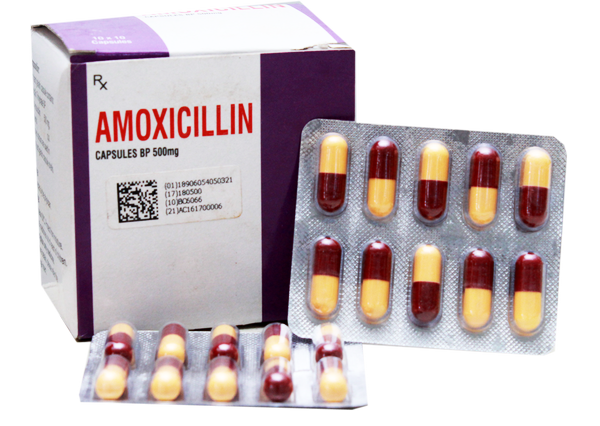
Capsules are suitable for adults and older children who can swallow them. They can mask unpleasant tastes but are not appropriate for patients with swallowing difficulties.
Powder for Oral Suspension (mixed with water)
This form is supplied as a powder and mixed with water to make an oral suspension. It is commonly used for infants and young children who cannot swallow pills and allows weight-based dosing. Shake well before each dose. Any unused portion of the reconstituted suspension must be discarded after 14 days; refrigeration is preferable but not required (follow the instructions on the dispensing label).
Health care providers determine the most appropriate formulation, ensuring effective treatment while maximizing patient compliance and comfort.
Recommendations for Choosing Amoxicillin Forms
For young children or infants, the oral suspension is often used because it allows weight-based dosing and is easier to administer. Also, learn about contraindications for different age groups.
If the patient can swallow pills comfortably, tablets or capsules are suitable options.
Some patients may prefer a specific form due to taste or ease of administration. Discuss preferences with the health care provider to find a suitable option that encourages adherence to the treatment regimen.
Patients with a history of hypersensitivity reactions to penicillin or beta-lactams should avoid all forms of amoxicillin. Always consult a health care provider about contraindications to get alternatives in such cases.
If treating specific conditions (e.g., eradication of Helicobacter pylori), ensure that the prescribed form is part of a combination therapy as recommended by the health care provider. And always ask about interactions when you use amoxicillin in combination with other drugs.
Always consult a health care provider or pharmacist when unsure which form to choose. They can provide personalized recommendations based on medical history, current medications, and specific health conditions.
Regardless of the chosen form, it is essential to follow the dosage instructions provided by the health care provider or as indicated on the packaging.
Precautions When Using Amoxicillin
Amoxicillin is an antibiotic that is effective against bacterial infections caused by susceptible organisms. However, like all medications, careful consideration of precautions is required to support safe and effective use.
Use in Special Populations
The use of amoxicillin in special populations requires consideration of various factors. Dosage can differ significantly among groups such as children, older adults, pregnant individuals, and those with specific health conditions.
Use in Children
Amoxicillin is commonly prescribed for children, particularly for ear and respiratory tract infections. Care should be taken to use the appropriate formulation (e.g., oral suspension) based on the child’s age and ability to swallow pills. Dosage must be carefully calculated based on weight to avoid underdosing or overdosing.
Use in Geriatric Patients
Older patients may be more susceptible to side effects and may have underlying health issues that complicate treatment. Close monitoring for adverse effects and adjustments in dosage may be necessary based on renal function and overall health status.
Use in Pregnant or Breastfeeding Women
There are no adequate and well-controlled studies of amoxicillin in pregnant women. Amoxicillin should be used during pregnancy only if clearly needed and as prescribed by a clinician.
CDC lists amoxicillin as an alternative regimen for chlamydial infection during pregnancy (when clinically appropriate).
Amoxicillin is not FDA-approved for anthrax prophylaxis or treatment; it may be used off-label for postexposure prophylaxis if the strain is penicillin-susceptible and a clinician determines it is appropriate (special considerations apply in pregnant and lactating women).
Penicillins have been shown to be excreted in human milk. Amoxicillin use by nursing mothers may lead to sensitization of infants; use caution and monitor the infant for diarrhea, rash, or thrush.
Contraindications
Amoxicillin must not be used in patients with a history of serious hypersensitivity to penicillins (e.g., anaphylaxis). Cross-reactivity with other beta-lactam antibiotics can occur; discuss any cephalosporin allergy history with a clinician.
Amoxicillin should not be used for viral infections (such as colds or flu). A clinician should decide when antibiotics are needed to help reduce unnecessary use and resistance.
Because a high percentage of patients with infectious mononucleosis develop a rash during therapy with aminopenicillins, amoxicillin is generally avoided in these patients. There are different drug and disease contraindications you should know about before treatment.
Side Effects
Patients should be aware of side effects. Adverse effects reported with amoxicillin are similar to those reported with other aminopenicillins. Common side effects include:
- Gastrointestinal issues: nausea, vomiting, diarrhea, and abdominal discomfort. Monitor for severe or persistent diarrhea (possible CDAD).
- Allergic reactions: symptoms can range from mild rashes to severe anaphylaxis.
- Other reactions: less common but serious side effects include liver problems, blood cell effects, and severe skin reactions.
Interactions
Please tell your doctor, pharmacist, or nurse if you are taking or have recently taken any other medicines to avoid interactions. This includes medicines that can be bought without a prescription and herbal medicines.
If you are taking allopurinol (used for gout) with Amoxil, it may be more likely that you’ll develop a skin rash.
If you are taking probenecid (used for gout), your clinician may adjust your dose because probenecid can increase amoxicillin levels.
If medicines to help stop blood clots (such as warfarin) are taken with amoxicillin, extra blood tests (e.g., INR) may be needed.
Amoxicillin may reduce the effectiveness of oral contraceptives in some patients. Consider using a backup method during treatment and for a short period after, especially if vomiting/diarrhea occurs; ask a clinician or pharmacist for advice.
Overdose
If you think you have taken too much amoxicillin, tell your doctor, pharmacist, or nurse immediately. Signs may include stomach upset (nausea, vomiting, diarrhea) and, in some cases, crystals in the urine (cloudy urine or problems passing urine).
If you forget to take amoxicillin, take it as soon as you remember. If it is time for the next dose, do not take a double dose. Skip the missed dose and take only one dose at a time.
Thrush (a yeast infection) may develop if amoxicillin is used for a long time. If this occurs, tell your doctor, pharmacist, or nurse. Regular monitoring may be necessary for patients on prolonged amoxicillin therapy due to the risk of secondary infections.
Renal, hepatic, and hematologic systems should be evaluated periodically during prolonged therapy with amoxicillin.
Important Patient Information
Amoxicillin shares the toxic potentials of the penicillins, including the risk of hypersensitivity reactions. Before initiating therapy, careful inquiry should be made concerning previous hypersensitivity reactions to penicillins, cephalosporins, or other allergens. Amoxicillin is contraindicated in patients who are hypersensitive to any penicillin.
Before prescribing amoxicillin, health care providers should know the patient’s complete medical history, including allergies, previous antibiotic use, and current medications, and any signs of liver or kidney dysfunction that may affect drug clearance, as well as the potential for drug interactions with medications such as oral anticoagulants or allopurinol.
Individuals with phenylketonuria (PKU) and others who must restrict phenylalanine intake should be warned that the amoxicillin 200 mg and 400 mg chewable tablets contain aspartame, which provides 1.82 mg or 3.64 mg of phenylalanine per tablet, respectively.
Amoxicillin powder for oral suspension does not contain aspartame/phenylalanine.
Make sure you drink plenty of fluids while taking amoxicillin.
If you have kidney problems, the dose might be lower than usual.
If you are having urine glucose tests, tell the clinician you are taking amoxicillin. High urine concentrations can cause false-positive reactions with copper-reduction methods. Enzymatic glucose oxidase tests are preferred.
While amoxicillin is an effective treatment for bacterial infections, patients should communicate openly with health care providers about their medical history and any side effects or interaction concerns.
Amoxicillin Forms, Dosages, and Administration
Understanding the proper dosages, available forms, and administration guidelines is essential for effective treatment.
Forms
Amoxicillin is available in the following dosages and forms:
- tablets (500 mg, 875 mg);
- chewable tablets (125 mg, 250 mg, 500 mg);
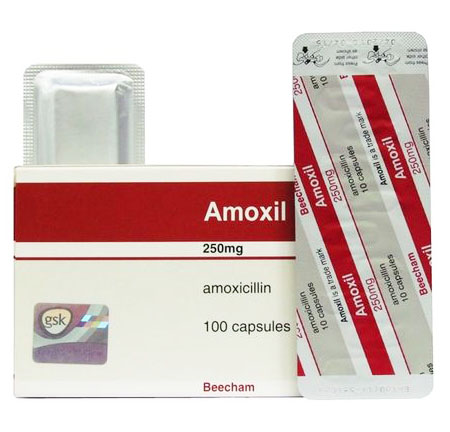
- capsules (250 mg, 500 mg);
- powder for oral suspension (after mixing: 125 mg/5 mL, 200 mg/5 mL, 250 mg/5 mL, 400 mg/5 mL).
Dosages
The dosage of amoxicillin varies based on the type and severity of the infection being treated, as well as the patient’s age and weight. Below are general dosage guidelines.
Adults and Pediatric Patients > 3 Months |
|||
Infections / Disease |
Severity * |
Usual Adult Dose |
Usual Dose for Children > 3 Months ** |
Ear / Nose / Throat |
Mild / Moderate |
500 mg every 12 hours or 250 mg every 8 hours |
25 mg/kg/day in divided doses every 12 hours or 20 mg/kg/day in divided doses every 8 hours |
Severe |
875 mg every 12 hours or 500 mg every 8 hours |
45 mg/kg/day in divided doses every 12 hours or 40 mg/kg/day in divided doses every 8 hours |
|
Lower Respiratory Tract |
Mild / Moderate or Severe |
875 mg every 12 hours or 500 mg every 8 hours |
45 mg/kg/day in divided doses every 12 hours or 40 mg/kg/day in divided doses every 8 hours |
Skin / Skin Structure |
Mild / Moderate |
500 mg every 12 hours or 250 mg every 8 hours |
25 mg/kg/day in divided doses every 12 hours or 20 mg/kg/day in divided doses every 8 hours |
Severe |
875 mg every 12 hours or 500 mg every 8 hours |
45 mg/kg/day in divided doses every 12 hours or 40 mg/kg/day in divided doses every 8 hours |
|
Genitourinary Tract |
Mild / Moderate |
500 mg every 12 hours or 250 mg every 8 hours |
25 mg/kg/day in divided doses every 12 hours or 20 mg/kg/day in divided doses every 8 hours |
Severe |
875 mg every 12 hours or 500 mg every 8 hours |
45 mg/kg/day in divided doses every 12 hours or 40 mg/kg/day in divided doses every 8 hours |
|
Duodenal ulcer, (H. pylori associated) |
— Triple therapy: 1 g amoxicillin with 500 mg clarithromycin and 30 mg lansoprazole two times a day at 12-hour intervals for 14 days — Dual therapy: 1 g amoxicillin with 30 mg lansoprazole three times a day at 8-hour intervals for 14 days |
||
* Dosing for infections caused by less susceptible organisms should follow the recommendations for severe infections.
** The children’s dosage is intended for individuals whose weight is less than 40 kg. Children weighing 40 kg or more should be dosed according to the adult recommendations.
Administration
Administering amoxicillin can vary depending on the formulation, including tablets, capsules, and oral suspensions. Proper administration of amoxicillin is important for effectiveness and safety.
Oral Administration
- Capsules should be swallowed whole with a full glass of water. Tablets are usually swallowed with water and can be taken with or without food; if a tablet is scored, it may be split only if your clinician or pharmacist instructs you to do so.
- Chewable tablets should be chewed thoroughly before swallowing. They can also be taken with or without food.
- Oral suspension (liquid) is often used for children or individuals who cannot swallow pills. To prepare an oral suspension from a dry powder, mix the powder with the specified amount of water. Shake well before each dose and measure doses using a proper dosing device (oral syringe or dosing spoon).
Suspension storage (after mixing)
- Any unused portion of the reconstituted suspension should be discarded after 14 days. Refrigeration is preferable, but not required.
Injection Administration
Amoxicillin is primarily used as an oral medication in the U.S. Intravenous or intramuscular antibiotic therapy (when needed) should be administered under medical supervision and according to local protocols.
Administration Tips
- Doses are typically taken either every 8 hours (three times daily) or every 12 hours (two times daily), depending on the prescribed regimen.
- Treatment duration depends on the infection being treated; for infections caused by Streptococcus pyogenes, at least 10 days of therapy is commonly recommended.
- Complete the entire course of amoxicillin even if symptoms improve before finishing the medication. This helps prevent the development of antibiotic-resistant bacteria.
Special Considerations
- Renal impairment: dosage adjustments may be necessary for patients with kidney issues, as amoxicillin is primarily excreted through the kidneys.
- Allergies: patients with a known allergy to penicillin should avoid amoxicillin and inform their health care provider.
- Drug interactions: always disclose all medications being taken to avoid potential interactions.
Always consult health care professionals for personalized advice and to address any questions or concerns regarding amoxicillin treatment.
Amoxicillin Uses
Amoxicillin is a broad-spectrum antibiotic belonging to the penicillin class. It is widely used to treat various bacterial infections across different age groups. Its effectiveness against various pathogens and availability of different forms and dosages make it a common choice in clinical practice.
General Indications
Amoxicillin is indicated for the treatment of infections caused by susceptible bacteria. Its primary uses include:
- Ear, nose, and throat infections, such as otitis media, sinusitis, and pharyngitis.
- Lower respiratory tract infections, including pneumonia and bronchitis.
- Genitourinary tract infections, such as certain urinary tract infections (UTIs).
- Skin and skin structure infections, including cellulitis and skin abscesses.
- To eradicate Helicobacter pylori, amoxicillin is used in combination with other medications to treat stomach ulcers caused by H. pylori.
Infants and Children
Amoxicillin is frequently prescribed for pediatric patients due to its safety profile and efficacy.
Amoxicillin is often the first-line treatment for acute otitis media in children aged six months and older. High-dose regimens (e.g., 80–90 mg/kg/day divided into two doses) are commonly used; treatment duration depends on age and severity and should follow clinician guidance.
For children with acute bacterial sinusitis, clinicians often use amoxicillin/clavulanate as first-line therapy; amoxicillin alone may be used in selected cases based on local resistance patterns and clinician judgment.
In cases of community-acquired pneumonia in children treated as outpatients, high-dose amoxicillin (often 90 mg/kg/day divided into two doses) is commonly used; duration should follow local guidance and clinician direction.
For uncomplicated skin infections, the dosage can be 25–50 mg/kg/day divided into two or three doses.
Amoxicillin may be prescribed to manage dental infections in children, and it may be used for infective endocarditis prophylaxis before certain dental procedures in a small subset of high-risk cardiac patients (clinician-directed).
Adults
In adults, amoxicillin is indicated for a variety of bacterial infections:
- Respiratory tract infections: typical dosing is 500 mg every 8 hours or 875 mg every 12 hours; duration depends on the diagnosis and clinical response.
- Genitourinary tract infections: 500 mg every 12 hours or 250 mg every 8 hours for some uncomplicated UTIs when the organism is susceptible.
- Skin infections: 500 mg every 12 hours or higher doses depending on severity.
- Helicobacter pylori eradication: often used as part of combination therapy (e.g., 1 g twice daily, with clarithromycin and lansoprazole in triple therapy).
Special Populations
Amoxicillin is generally considered an option during pregnancy when clinically indicated, and should be used under clinician supervision.
Older adults may require careful dosing adjustments due to potential renal impairment.
Dosage adjustments are necessary for patients with renal impairment based on creatinine clearance levels.
Amoxicillin is used for infective endocarditis prophylaxis before certain dental procedures in a small subset of high-risk cardiac patients; typical adult dosing is a single 2 g oral dose 30–60 minutes before the procedure (clinician-directed).
Off-Label Uses
Amoxicillin is also used off-label for early Lyme disease (erythema migrans). One common adult regimen is 500 mg by mouth every 8 hours for 14 days (per guideline-based care).
It can also be used off-label as an alternative regimen for chlamydial infection during pregnancy: 500 mg by mouth 3 times/day for 7 days (CDC alternative regimen).