
Lamisil cream (Terbinafine)

Dosages
Lamisil cream 1% 10 g
| Quantity | Price per tube | Total price | |
|---|---|---|---|
| 1 | $11.00 | $11.00 | |
| 3 | $7.33 | $22.00 | |
| 6 | $6.00 | $36.00 |
Payment & Shipping
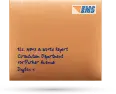
Your order is carefully packed and ships within 24 hours. Here is what a typical package looks like.
Sized like a regular personal letter (9.4x4.3x0.3 inches), with no indication of what is inside.


| Shipping Method | Estimated delivery |
|---|---|
| Express Free for orders over $300.00 | Estimated delivery to the U.S.: 4-7 days |
| Standard Free for orders over $200.00 | Estimated delivery to the U.S.: 14-21 days |









Discount Coupons
- Independence Day - July 4, 2026 10% JULY410
- Labor Day - September 7, 2026 7% LABOR07
- Thanksgiving - November 26, 2026 9% THANKS09
Brand Names
| Country | Brand Names |
|---|---|
 Argentina Argentina | Amisan Amykal Daskil Fungueal Lamisil Maditez Myconafin Myconormin Piecidex NF Repliderm Sinamida Terbinafina Tacna Terbi-Derm Terbiderm Terbinac Terekol Terfin |
 Australia Australia | Lamisil SolvEasy Tamsil Terbinafine Zabel |
 Belgium Belgium | Lamisil |
 Brazil Brazil | Alamil Binafin Finex Funtyl Lamisil Micosil Terbinafine |
 Canada Canada | Lamisil |
 Chile Chile | Dermoxyl Dicil Donter Elater Farbicil Finex Lamisil Micoset Micostop Mucivil Terfex Terfin |
 Czechia Czechia | Atifan Brinaf Lamisil Mycodekan Tefine Terbihexal Terbisil Terbistad Terfimed Verbinaf |
 Denmark Denmark | Finigen Funginix Lamisil |
 Finland Finland | Fungis Fungorin Lamisil |
 France France | Fungster Lamisil Lamisilate |
 Germany Germany | Amiada Dermatin Lamisil Myconormin Octosan Terbiderm Terbigalen Terbina-Q Terbistad |
 Greece Greece | Anaplas Chemiderm Demsil Drogenil Ealk Flixid Frezylin Funger Fungitherapy Lamiderm Lamigen Lamisil Mycutol Optimus Pavlinox Pro-Misil Romiver Seralon Soluterb Teranfis Terbafin Terbigram Terbin Terbiprol Terbiskin Terbisol Terfinil Terfinor Termisil Ternafinol Thateron Vifaderm |
 Hong Kong Hong Kong | Lamecon Lamisil Terbifin Terfine |
 Hungary Hungary | Lamisil Terbigen Terbisil Terfin Tineal |
 India India | Exifine Lamisil Terbifin Terboderm |
 Indonesia Indonesia | Interbi Lamisil Termisil |
 Ireland Ireland | Fungafine Fungasil Lamisil Lanafine Ternaf |
 Israel Israel | Dermasil Lamisil Patir Cream |
 Italy Italy | Daskil Lamisil |
 Malaysia Malaysia | Dermafin Exifine Lamisil Lisim |
 Mexico Mexico | Binafex Erbitrax Fyterdin Lamisil Losil Mycelvan Sebifin Unasal Xilatril |
 Netherlands Netherlands | Binanidda Finanidda Finavita Fungitif Lamisil Niddafin Niddavita Terbiderm Terbinavita Terfungin Tiebinafin Vitabin |
 New Zealand New Zealand | Lamisil Terbafin |
 Norway Norway | Lamisil |
 Philippines Philippines | Lamifen Lamisil |
 Poland Poland | Afugin Erfin Lamisil Myconafine Tenasil Terbiderm TerbiGen Terbisil Undofen Max Verbinaf Zelefion |
 Portugal Portugal | Arrolina Daskyl Fungil Fungster Lamisil Termycol |
 Russia Russia | Binafin Exifine Fungoterbine Lamican Lamisil Medofloran Terbinox Terbisil Termicon |
 Singapore Singapore | Lamisil |
 South Africa South Africa | Dermax Lamisil Terbicil |
 Spain Spain | Fungicare Lamicosil Lamisil Talixane Tighum |
 Sweden Sweden | Lamisil |
 Switzerland Switzerland | Lamisil Myconormin Terbifil Terbinax Tineafine |
 Thailand Thailand | EU 2000 Lamisil |
 Turkey Turkey | Corbinal Lamisil Mycocur Terafin Terbin Terbisil Tigal |
 Ukraine Ukraine | Exifine Fungoterbine Lamicon Lamisil Myconorm Terbisil |
 United Kingdom United Kingdom | Lamisil |
 United States United States | Desenex Maximum Lamisil AT |
 Venezuela Venezuela | Exifine Funtopic Lamisil Terfex |
| Manufacturer | Brand Names |
|---|---|
| Cipla Limited | Terbicip Zimig |
| GlaxoSmithKline plc | Terbicip Zimig |
Description
What Is Lamisil?
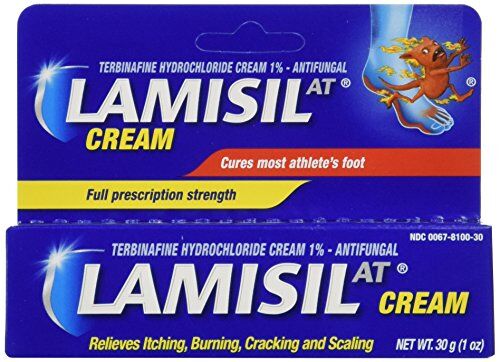
Lamisil cream represents an innovative approach to the topical treatment of diverse infections and diseases of the skin and subcutaneous tissues. This product is characterized by high effectiveness in most patients, great tolerability, a low rate of reported side effects, and gentle curative action. The main active ingredient of the cream is terbinafine. This chemical substance belongs to the group of allylamines and has a wide range of antifungal effects. Even comparatively low concentrations of this active ingredient provide a significant fungicidal effect on most dermatophytes and dimorphic fungi.
Composition and Active Ingredients
Lamisil formulations contain terbinafine hydrochloride at a concentration of 1% w/w for topical applications, such as creams or gels. One gram of the cream contains terbinafine hydrochloride 10 mg, equal to 8.8 mg of terbinafine. Additional excipients may include cetyl alcohol, stearyl alcohol, and benzyl alcohol, which contribute to the texture and stability of the product.
Terbinafine works by inhibiting squalene epoxidase, an enzyme crucial for ergosterol synthesis in fungal cell membranes, leading to cell death and effective treatment of infections like athlete's foot and onychomycosis. Less than 5% of the dose is absorbed after drug administration on the affected skin area. Therefore, the absorption of terbinafine into the systemic circulation is negligible.
Uses
The effect provided by the drug may be fungicidal and fungistatic. The drug has a long-lasting effect, which allows patients not only to achieve a desirable effect after using Lamisil cream but also to prevent recontamination after a short period of treatment.
Lamisil (Terbinafine) is indicated for the topical treatment of the following dermatologic infections: tinea (pityriasis) versicolor due to Malassezia furfur (formerly Pityrosporum ovale), tinea pedis (athlete's foot), tinea corporis (ringworm), or tinea cruris (jock itch) due to Trichophyton rubrum, Trichophyton mentagrophytes, or Epidermophyton floccosum. Diagnosis of disease should be confirmed either by culture (except Malassezia furfur, formerly Pityrosporum ovale) or examination of scrapings from infected tissue mounted in a solution of potassium hydroxide.
Lamisil in the Treatment of Fungal Infections
Terbinafine specifically inhibits the early stage of the biosynthesis of sterols in fungal cell membranes. This effect leads to the deficiency of ergosterol and intracellular accumulation of squalene, which causes the death of fungal cells. Terbinafine acts by inhibiting the squalene epoxidase enzyme in the cell membrane. Since this enzyme does not belong to the cytochrome P450 system, terbinafine does not affect the metabolic pathways of hormones in the human body.
Lamisil cream is used to treat various fungal skin infections: tinea pedis (athlete's foot), tinea cruris (jock itch), and tinea corporis (ringworm).
For adults and children 12 years and older, Lamisil cream should be applied 1-2 times per day depending on the observed severity of the infection.
The duration of treatment depends on the severity of the disease.
- Interdigital toe web infections and/or dermatophyte infections of the torso – the cream should be used once a day for 1 week.
- Skin candidiasis – the cream should be used 1-2 times daily for 1 week.
- Multicolored lichen – the cream should be used 1-2 times daily for 2 weeks.
Elderly patients do not require additional dose adjustments. As for the pediatric population, the clinical experience of using the drug in children under 12 years of age is limited, so the drug should not be used to treat this age category of patients.
The cream should be applied to the affected area and surrounding skin after cleaning and drying the area thoroughly. It is essential to avoid contact with the eyes, nose, mouth, and other mucous membranes. If irritation occurs, use should be discontinued. Consistent application as directed is crucial for effective treatment, even if symptoms begin to improve before the entire course is completed.
Lamisil in the Treatment of Yeast Infections
The drug also shows very efficient results in the therapy of yeast infections. Lamisil cream for penile yeast infection therapy has better results than therapy with most currently prescribed antiseptic agents. The active components of the drug penetrate deeply into the affected penile tissues and make it possible to cure the disease starting from the inner cellular layers. However, these active ingredients also perfectly fulfill their external functions, eliminating pus cells from the tissue, i.e., cleansing the affected area of the external irritant.
Lamisil cream for yeast diaper rash should be administered four times per day. If the positive effects are not observed after three days, you should inform your healthcare provider to find an adequate replacement or adjust the daily dose.
Precautions
Lamisil is not for ophthalmic, oral, or intravaginal use. The cream is intended for external use only. The patient should be told to use Lamisil as directed by the physician.
The notable signs of relief are usually observed two to three days after the beginning of therapy. Irregular use or premature discontinuation of treatment may lead to reactivation of the infection.
If the signs of any notable improvement are not observed after two weeks of treatment, you should contact your doctor. Additional dose adjustments may be necessary.
Allergy Warnings
Lamisil (Terbinafine) is contraindicated in individuals with known or suspected hypersensitivity to terbinafine or any other of its components. Inform the physician if the application area shows increased irritation or possible sensitization (redness, itching, burning, blistering, swelling, or oozing).
Health Conditions Warnings
Terbinafine may be found in breast milk. For this reason, the drug cannot be used in breastfeeding women. Pregnant women should also avoid applying Lamisil.
Lamisil 1% contains 11.3% v/v alcohol. If irritation or sensitivity develops, treatment should be discontinued and appropriate therapy instituted. Lamisil may be irritating to the eyes. In case of accidental contact with the eyes, rinse the eyes thoroughly with running water and consult a physician if any symptoms persist.
Avoid covering the affected areas with dressings unless otherwise directed by the physician.
There has been no experience of overdose with topical formulations of terbinafine. However, the alcohol content (11.3%) of the cream must be considered.
Terbinafine Side Effects
In most clinical cases, side effects are rare and require no medical help. Potential adverse reactions include the following:
- Local symptoms such as itching, peeling, or burning of the skin, pain, and irritation at the site of application, pigmentation, and erythema. These minor manifestations should be distinguished from hypersensitivity reactions, including rashes, which may require treatment discontinuation.
- In case of accidental contact with the eyes, terbinafine hydrochloride may cause eye irritation.
- Peptic ulceration and burning sensations.
- Pain at the site of application.
- Irritation at the site of application.
- Seldom-reported aggravation of symptoms of the fungal infectious disease.
In clinical trials, none of the 262 patients treated with Lamisil (Terbinafine) discontinued therapy due to adverse events. For Lamisil (Terbinafine)-treated patients, adverse reactions thought to be possibly, probably, or related to drug therapy included skin disorder (1.9%), application site reactions (burning or irritation) (1.5%), and pruritus (1.1%). The adverse events were seen only in patients with tinea cruris: skin discoloration, hyperpigmentation (3/36), skin exfoliation (1/36), and contact dermatitis (1/36).
Interaction with Other Medicines
Potential interactions between Lamisil (Terbinafine) and other drugs have not been systematically evaluated.
After Using Lamisil
After using Lamisil cream, storing and disposing of it properly is essential.
Storage
Lamisil cream should be stored in its original packaging to protect it from light and moisture. It is essential to keep the tube tightly sealed and out of reach of children. The cream should not be used after the expiry date indicated on the packaging, and once opened, an aluminum tube can typically be used for up to four months, while a laminated tube has a shelf life of one month.
Disposal
When disposing of Lamisil cream, do not throw it away in household waste or down the drain, as this can harm the environment. Instead, consult your pharmacist for proper disposal methods. Unused or expired medications should be returned to a pharmacy for safe disposal to ensure environmental protection.