
Kaletra (Lopinavir/Ritonavir)

Dosages
Kaletra 200mg+50mg
| Quantity | Price per tablet | Total price | |
|---|---|---|---|
| 60 | $4.50 | $270.00 | |
| 120 | $4.17 | $500.00 | |
| 180 | $4.06 | $730.00 | |
| 240 | $4.00 | $961.00 | |
| 300 | $3.97 | $1,192.00 | |
| 360 | $3.95 | $1,423.00 |
Payment & Shipping
Your order is carefully packed and ships within 24 hours. Here is what a typical package looks like.
Sized like a regular personal letter (9.4x4.3x0.3 inches), with no indication of what is inside.



| Shipping Method | Estimated delivery |
|---|---|
| Express Free for orders over $300.00 | Estimated delivery to the U.S.: 4-7 days |
| Standard Free for orders over $200.00 | Estimated delivery to the U.S.: 14-21 days |









Discount Coupons
- Independence Day - July 4, 2026 10% JULY410
- Labor Day - September 7, 2026 7% LABOR07
- Thanksgiving - November 26, 2026 9% THANKS09
Brand Names
| Country | Brand Names |
|---|---|
 India India | Aluvia Lopimune |
 Indonesia Indonesia | Aluvia |
 New Zealand New Zealand | Lopinavir/Ritonavir Mylan |
 South Africa South Africa | Aluvia Lopimune |
| Manufacturer | Brand Names |
|---|---|
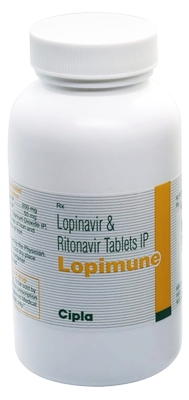
| Cipla Limited | Lopimune |
Description
What Kaletra is and what it is used for
Your doctor has prescribed Kaletra to help control Human Immunodeficiency Virus (HIV) infection by slowing down the spread of the virus in the body. Kaletra is an antiretroviral medicine that belongs to a group of medicines called protease inhibitors. It is used in adults and in children 2 years of age or older who are infected with HIV (the virus that causes acquired immunodeficiency syndrome (AIDS)). Kaletra should not be given to children younger than 2 years of age unless specifically directed by their doctor.
Kaletra is usually prescribed in combination with other antiviral medicines. Your doctor will decide which medicines are best for you.

Before you take Kaletra
Do not take Kaletra
Do not take Kaletra if you are allergic (hypersensitive) to lopinavir, ritonavir, or any of the other ingredients of Kaletra, or if you have severe liver problems.
Do not take Kaletra with any of the following medicines
- Astemizole or terfenadine (commonly used to treat allergy symptoms; may be available without prescription);
- Midazolam taken orally (by mouth) or triazolam (used to relieve anxiety and/or trouble sleeping);
- Pimozide (used to treat schizophrenia);
- Cisapride (used to relieve certain stomach problems);
- Ergotamine, dihydroergotamine, ergonovine, methylergonovine (used to treat headaches);
- Amiodarone (used to treat abnormal heartbeat);
- Lovastatin or simvastatin (used to lower blood cholesterol);
- Vardenafil (used to treat erectile dysfunction);
- Sildenafil used to treat pulmonary arterial hypertension;
- Products that contain St John's wort (Hypericum perforatum).
Read the list of medicines under 'Taking other medicines' for information on certain other medicines that require special care. If you are currently taking any of the medicines listed above, ask your doctor about switching to another medicine while you are taking Kaletra.
Take special care with Kaletra
Important information
Kaletra is not a cure for HIV infection or AIDS. People taking Kaletra may still develop infections or other illnesses associated with HIV disease and AIDS, so it is important that you remain under your doctor's supervision while taking this medicine. Kaletra does not reduce the risk of passing HIV to others; appropriate precautions should be taken to prevent transmission through sexual contact (e.g., use of a condom) or blood contamination.
Tell your doctor if you have/had
Tell your doctor if you have haemophilia type A or B, as Kaletra may increase the risk of bleeding. Also inform your doctor if you have diabetes or a history of liver problems. Patients with liver disease, including chronic hepatitis B or C, may be at increased risk of severe and potentially fatal liver side effects.
Tell your doctor if you experience
- Nausea, vomiting, abdominal pain, difficulty breathing, and severe weakness of the muscles in the legs and arms (these symptoms may indicate raised lactic acid levels).
- Thirst, frequent urination, blurred vision, or weight loss (these may indicate raised blood sugar levels).
- Nausea, vomiting, or abdominal pain, especially if triglycerides are high (these symptoms may suggest pancreatitis).
- Changes in body shape due to changes in fat distribution (e.g. loss of fat from legs, arms and face; increased fat in the abdomen and internal organs; breast enlargement; fatty lumps on the back of the neck).
- Signs and symptoms of inflammation from previous infections soon after anti-HIV treatment is started (immune reconstitution).
- Joint stiffness, aches and pains (especially hip, knee, shoulder) and difficulty moving (possible osteonecrosis).
- Muscle pain, tenderness, or weakness; on rare occasions these muscle disorders have been serious.
Taking other medicines
Please tell your doctor or pharmacist if you are taking or have recently taken any other medicines, including medicines obtained without prescription. Special care may be needed if you take Kaletra together with certain antibiotics, antifungals, antidepressants, anti-epilepsy medicines, anticancer medicines, heart medicines (including digoxin and medicines for heart rhythm), cholesterol-lowering medicines, immunosuppressants, pain-relieving medicines (including fentanyl), methadone, non-nucleoside reverse transcriptase inhibitors (NNRTIs), other protease inhibitors, sedatives, steroids, or warfarin. Also read the section 'Do not take Kaletra with any of the following medicines' for medicines that you must not take with Kaletra.
Erectile dysfunction medicines (vardenafil, sildenafil, tadalafil)
Do not take Kaletra if you are currently taking vardenafil. You must not take Kaletra with sildenafil used to treat pulmonary arterial hypertension. If sildenafil or tadalafil are taken together with Kaletra, you may be at risk of side effects such as low blood pressure, fainting, visual changes, and an erection lasting more than 4 hours. If an erection lasts longer than 4 hours, seek medical help immediately. Your doctor can explain these symptoms to you.
Contraceptives
If you are using an oral contraceptive or a contraceptive patch to prevent pregnancy, use an additional or different type of contraception (e.g., a condom) because Kaletra may reduce the effectiveness of oral and patch contraceptives. Kaletra does not reduce the risk of passing HIV to others, so appropriate precautions (e.g., condom use) should be taken to prevent transmission through sexual contact.
Taking Kaletra with food and drink
Kaletra tablets can be taken with or without food.
Pregnancy and breast-feeding
Tell your doctor immediately if you are pregnant, think you may be pregnant, or if you are breast-feeding. Pregnant or breast-feeding mothers should not take Kaletra unless specifically directed by a doctor. It is recommended that HIV-infected women do not breast-feed their infants because HIV can be passed to the baby through breast milk.
Driving or using machines
Kaletra has not specifically been tested for its possible effects on the ability to drive or use machines. Do not drive or operate machinery if you experience side effects (e.g. nausea) that affect your ability to do so safely. Contact your doctor if this happens.
How to take Kaletra
It is important that Kaletra tablets are swallowed whole and not chewed, broken, or crushed. Kaletra tablets can be taken with or without food. Always take Kaletra exactly as your doctor has told you, and check with your doctor or pharmacist if you are not sure how to take your medicine.
How much Kaletra should be taken and when?
The usual adult dose is 400 mg/100 mg twice a day (every 12 hours) in combination with other anti-HIV medicines. Adult patients who have not previously taken other antiviral medicines can also take Kaletra once daily as an 800 mg/200 mg dose. Your doctor will advise how many tablets to take. Kaletra must not be taken once daily with amprenavir, efavirenz, nevirapine, nelfinavir, carbamazepine, phenobarbital, or phenytoin.
For children, your doctor will decide the right dose (number of tablets) based on the child's height and weight. Kaletra is also supplied as 200 mg/50 mg film-coated tablets. Kaletra oral solution is available for patients who cannot take tablets.
Can I stop taking Kaletra or change my dose?
Do not stop or change your daily dose of Kaletra without first consulting your doctor. Kaletra should be taken every day to help control HIV infection, even if you feel better. Taking Kaletra as recommended gives you the best chance of delaying resistance. If a side effect is preventing you from taking Kaletra as directed, tell your doctor right away. Always keep enough Kaletra on hand so you do not run out, including when traveling or staying in the hospital. Continue taking this medicine until your doctor tells you otherwise.
If you take more Kaletra than you should
If you realise you have taken more Kaletra than you were supposed to, contact your doctor right away. If you cannot contact your doctor, go to the hospital.
If you forget to take Kaletra
If you miss a dose, take it as soon as possible and then continue with your normal schedule. Do not take a double dose to make up for a forgotten dose.
Possible side effects
Like all medicines, Kaletra can cause side effects, although not everybody gets them. It may be difficult to tell which side effects have been caused by Kaletra and which may be due to other medicines you take at the same time or to complications of HIV infection. Tell your doctor promptly about these or any other symptoms. If the condition persists or worsens, seek medical attention.
Very common side effects (affects more than 1 user in 10)
- Diarrhoea;
- Nausea;
- Upper respiratory tract infection.
Common side effects (affects 1 to 10 users in 100)
- Inflammation of the pancreas;
- Vomiting, enlarged abdomen, stomach pain, passing wind, indigestion, decreased appetite, reflux that may cause pain;
- Swelling or inflammation of the stomach, intestines and colon;
- Increased cholesterol and triglycerides, high blood pressure;
- Decreased ability to handle sugar including diabetes mellitus, weight loss;
- Low number of red blood cells or white blood cells;
- Rash, eczema, greasy skin scaling;
- Dizziness, anxiety, difficulty sleeping;
- Feeling tired, lack of strength and energy, headache including migraine;
- Haemorrhoids;
- Inflammation of the liver including increased liver enzymes;
- Allergic reactions including hives and inflammation in the mouth;
- Changes in body shape due to changes in fat distribution;
- Lower respiratory tract infection;
- Enlargement of the lymph nodes;
- Impotence, heavy or prolonged menstrual flow, or lack of menstruation;
- Muscle disorders, pain in joints/muscles/back;
- Damage to nerves of the peripheral nervous system;
- Night sweats, itching, rash with raised bumps, skin infection, inflammation of skin or hair pores, fluid accumulation in tissues.
Further information about nausea, vomiting or abdominal pain
Tell your doctor if you experience nausea, vomiting, or abdominal pain, as these symptoms may suggest pancreatitis (inflammation of the pancreas).
Further information about increased cholesterol and triglycerides
Your doctor will monitor your blood fats and may prescribe other medicines if needed. Large increases in triglycerides (fats in the blood) have been considered a risk factor for pancreatitis. The long-term risks for complications such as heart attacks or stroke due to increased triglycerides and cholesterol are not known at this time.
Changes in body shape due to changes in fat distribution
Combination antiretroviral therapy may cause changes in body shape due to changes in fat distribution. These may include loss of fat from legs, arms and face, increased fat in the abdomen and internal organs, breast enlargement, and fatty lumps on the back of the neck ('buffalo hump'). The cause and long-term health effects are not known. Tell your doctor if you notice any changes in your body shape.
Uncommon side effects (affects 1 to 10 users in 1,000)
- Abnormal dreams; loss or changed sense of taste; hair loss;
- Electrocardiogram changes (atrioventricular block); plaque build-up in arteries;
- Inflammation of blood vessels/capillaries; bile duct inflammation;
- Uncontrolled shaking; constipation; dry mouth;
- Digestive tract inflammation/ulcer/bleeding; red blood cells in urine;
- Fatty deposits in liver, enlarged liver; decreased testicular function;
- Immune reconstitution flare-up; increased appetite; high bilirubin;
- Decreased sexual desire; kidney inflammation/failure;
- Osteonecrosis; mouth sores; breakdown of muscle fibers (myoglobin release);
- Ringing/buzzing in ears; tremor; valve abnormality; vertigo; abnormal vision; weight gain.
Other side effects that have been reported with Kaletra include yellowing of the skin or whites of the eyes (jaundice), severe or life-threatening skin rashes and blisters (Stevens-Johnson syndrome and erythema multiforme). It is not known how frequently these effects may occur.
If any side effect gets serious, or if you notice any side effects not listed in this leaflet, please inform your doctor or pharmacist.
How to store Kaletra
Keep this medicine out of the sight and reach of children. Do not use Kaletra after the expiry date stated on the pack. This medicinal product does not require any special storage conditions.
How should I dispose of any unused Kaletra?
Medicines should not be disposed of via wastewater or household waste. Ask your pharmacist how to dispose of medicines you no longer need. These measures will help protect the environment.