
Grifulvin V (Griseofulvin)

Dosages
Grifulvin V 125 mg
| Quantity | Price per tablet | Total price | |
|---|---|---|---|
| 30 | $1.00 | $30.00 | |
| 60 | $0.77 | $46.00 | |
| 90 | $0.69 | $62.00 | |
| 120 | $0.65 | $78.00 | |
| 180 | $0.61 | $109.00 |
Grifulvin V 250 mg
| Quantity | Price per tablet | Total price | |
|---|---|---|---|
| 30 | $1.43 | $43.00 | |
| 60 | $1.10 | $66.00 | |
| 90 | $0.99 | $89.00 | |
| 120 | $0.93 | $112.00 | |
| 180 | $0.87 | $157.00 | |
| 270 | $0.83 | $225.00 | |
| 360 | $0.81 | $292.00 |
Payment & Shipping
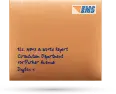
Your order is carefully packed and ships within 24 hours. Here is what a typical package looks like.
Sized like a regular personal letter (9.4x4.3x0.3 inches), with no indication of what is inside.


| Shipping Method | Estimated delivery |
|---|---|
| Express Free for orders over $300.00 | Estimated delivery to the U.S.: 4-7 days |
| Standard Free for orders over $200.00 | Estimated delivery to the U.S.: 14-21 days |









Discount Coupons
- Independence Day - July 4, 2026 10% JULY410
- Labor Day - September 7, 2026 7% LABOR07
- Thanksgiving - November 26, 2026 9% THANKS09
Brand Names
| Country | Brand Names |
|---|---|
 Argentina Argentina | Grisovin |
 Australia Australia | Fulcin Griseostatin Grisovin |
 Brazil Brazil | Fulcin Sporostatin |
 Canada Canada | Fulvicin Grisovin FP |
 Denmark Denmark | Fulcin |
 Finland Finland | Fulcin |
 France France | Fulcine Grisefuline |
 Germany Germany | Fulcin S Gricin Griseo Likuden M Polygris |
 Greece Greece | Grisenova |
 Italy Italy | Delmofulvina Fulcin Grisovina FP |
 Malaysia Malaysia | Grisuvin Grivin Krisovin Medofulvin Myconil |
 Mexico Mexico | Fulcin Fulsivin Fulvina Griseoful Grisovin |
 Netherlands Netherlands | Fulcin |
 New Zealand New Zealand | Grisovin |
 Norway Norway | Fulcin Fungivin Lamoryl |
 Portugal Portugal | Fulcin Grisomicon Grisovin |
 Spain Spain | Fulcin Fulvicina Greosin Sulvina |
 Sweden Sweden | Fulcin Grisovin Lamoryl |
 Turkey Turkey | Gefulvin Grisovin |
 United States United States | Fulvicin Gris-PEG Grisactin |
Description
Uses
Dermatophytoses
Griseofulvin is used to treat tinea (ringworm) infections of the skin, hair, and nails, including tinea barbae, tinea capitis, tinea corporis, tinea cruris, tinea pedis, and tinea unguium (onychomycosis) caused by susceptible species of Trichophyton, Microsporum, or Epidermophyton. Because the drug is not effective against other fungal infections, the infecting organism should be identified as a dermatophyte before initiating therapy.
Griseofulvin is not effective for pityriasis (tinea) versicolor, candidiasis, deep mycotic infections, or bacterial infections, and safety and efficacy for prophylaxis of fungal infections have not been established. Griseofulvin should not be used indiscriminately, but reserved for infections not amenable to topical antifungal agents. Concomitant therapy should include general hygienic measures to control infection and prevent reinfection. Appropriate agents should also be employed when infections are complicated by bacteria or yeasts, as may occur in tinea pedis.
Response to therapy depends on the rate of keratinization and the time required for desquamation of infected keratinized structures. Soles, palms, and nails respond more slowly than less keratinized skin, and toenails respond at the slowest rate. Although symptomatic improvement of skin infections may be seen after a few days of oral griseofulvin therapy, the drug should be administered until previously infected tissue is free of fungi—usually a minimum of 2–4 weeks for tinea corporis and a year or longer for fungal nail infections. There are no published clinical studies comparing ultramicrosize and microsize griseofulvin for the treatment of tinea infections, and there is no clinical evidence that one formulation has any advantage over the other.
Tinea barbae and tinea capitis generally require an oral antifungal regimen. Tinea corporis and tinea cruris can usually be treated effectively with a topical antifungal agent; however, an oral regimen may be necessary if the disease is extensive, dermatophyte folliculitis is present, the infection does not respond to topical therapy, or the patient is immunocompromised or has coexisting disease (e.g., diabetes mellitus).
While topical antifungals are usually effective for acute, uncomplicated tinea manuum and tinea pedis, an oral regimen is usually necessary for severe, chronic, or recalcitrant tinea pedis; chronic moccasin-type (dry-type) tinea pedis; and for tinea unguium (onychomycosis).
In a double-blind study in adults with tinea corporis and/or tinea cruris randomized to receive oral griseofulvin (500 mg once daily) or oral fluconazole (150 mg once weekly) for 4–6 weeks, clinical cure was obtained in 62% and 74% of patients, respectively.
Oral griseofulvin has generally been considered a drug of choice for tinea capitis; however, prolonged therapy is usually necessary to cure the infection and poor compliance may affect response. In a prospective, randomized study in pediatric patients 2–15 years of age with mycologically confirmed tinea capitis randomized to receive oral griseofulvin (10 mg/kg daily) or oral terbinafine, the response rate to both drugs was 100%. However, in a retrospective review of pediatric patients 3 months to 12 years of age who received oral griseofulvin (mean dosage: 12.5 mg/kg of microsize once daily for 5 weeks) for mycologically confirmed tinea capitis, the initial response rate was 60%, and almost 40% of patients had signs and symptoms of persistent disease 8 months after the initial diagnosis.
Other Uses
Because griseofulvin has some vasodilatory activity, its use has resulted in improvement in a small number of patients with Raynaud's disease or angina pectoris. Because it is structurally similar to colchicine and shares activity as a metaphase inhibitor, griseofulvin has been used in the treatment of gout.
Administration
Griseofulvin is administered orally as a single daily dose or in 2–4 equally divided doses.
Dosage
Dosage varies depending on whether the drug is administered as griseofulvin microsize or ultramicrosize. In addition, dosage recommendations for ultramicrosize vary slightly depending on the manufacturer and specific formulation.
Dosage and duration should be individualized according to patient requirements and response. Therapy generally needs to be continued for at least 4–12 weeks for tinea capitis; at least 2–4 weeks for tinea corporis; at least 4–8 weeks for tinea pedis; and from 4–6 months to a year or longer for tinea unguium.
Adult Dosage
The usual adult dosage of ultramicrosize griseofulvin for tinea capitis, tinea corporis, or tinea cruris is 330 or 375 mg daily, depending on the manufacturer and formulation. The usual adult dosage of ultramicrosize griseofulvin for infections that are more difficult to eradicate, such as tinea pedis and tinea unguium, is 660 or 750 mg daily, depending on the manufacturer and formulation.
The usual adult dosage of microsize griseofulvin is 500 mg daily for tinea capitis, tinea corporis, or tinea cruris and 1 g daily for infections that are more difficult to eradicate, such as tinea pedis and tinea unguium.
Pediatric Dosage
The usual dosage of ultramicrosize griseofulvin for children older than 2 years of age is approximately 7.3 mg/kg daily, although dosages up to 10–15 mg/kg daily have been used. Manufacturers suggest that children weighing approximately 14–23 kg may receive 82.5–165 mg daily and those weighing greater than 23 kg may receive 165–330 mg daily.
Alternatively, manufacturers suggest that children weighing approximately 16–27 kg may receive 125–187.5 mg daily and those weighing greater than 27 kg may receive 187.5–375 mg daily. For tinea capitis or tinea corporis, the American Academy of Pediatrics (AAP) recommends 5–10 mg/kg (maximum 750 mg) once daily. Manufacturers state that dosage has not been established in children 2 years of age and younger.
The usual pediatric dosage of microsize griseofulvin is 10–11 mg/kg daily, although dosages up to 20–25 mg/kg daily have been used. The AAP recommends 15–20 mg/kg (maximum 1 g) once daily. Manufacturers suggest that children weighing approximately 14–23 kg may receive 125–250 mg daily and those weighing greater than 23 kg may receive 250–500 mg daily. Alternatively, some clinicians suggest 300 mg/m2 daily.
Cautions
Nervous System Effects
Headache is a frequent adverse effect of griseofulvin, occurring early in therapy. Although it may be severe, it often disappears with continued therapy. Fatigue, dizziness, and insomnia have also been reported. Rarely, paresthesia of the hands and feet has followed extended therapy. Occasionally, large doses have produced mental confusion, impairment of routine activities, or psychotic symptoms.
GI Effects
Occasional adverse GI effects include epigastric distress, nausea and vomiting, excessive thirst, flatulence, and diarrhea. Oral thrush due to Candida overgrowth has also occurred. GI bleeding has been reported rarely.
Dermatologic and Sensitivity Reactions
Hypersensitivity reactions have been reported and may necessitate discontinuation. These include rash, urticaria, and rarely angioedema, erythema multiforme-like reactions, and serum sickness-like reactions. Griseofulvin has produced photosensitivity in some individuals. Lupus erythematosus, a lupus-like syndrome, or exacerbation of preexisting lupus has also been reported. Toxic epidermal necrolysis, which may be fatal, has been reported rarely.
Other Adverse Effects
Proteinuria, nephrosis, hepatotoxicity, and menstrual irregularities have been reported rarely. Griseofulvin has been reported to produce estrogen-like effects in children.
Rarely, transient hearing diminution has occurred. Reversible leukopenia has also been reported.
Precautions and Contraindications
During prolonged therapy, periodic assessment of renal, hepatic, and hematopoietic function should be performed. Discontinue the drug if granulocytopenia occurs. When rare, serious adverse effects occur, they are usually associated with high dosages and/or prolonged therapy.
Because photosensitivity can occur, patients should be cautioned to avoid intense natural or artificial sunlight. Photosensitivity reactions may aggravate lupus erythematosus.
Griseofulvin interferes with porphyrin metabolism. Chronic administration has resulted in elevated porphyrins in feces and erythrocytes and may precipitate an acute attack of intermittent porphyria.
Because griseofulvin is produced by species of Penicillium, cross-sensitivity with penicillins should be considered; however, penicillin-hypersensitive patients have been treated with griseofulvin without adverse effects.
Griseofulvin is contraindicated in patients with porphyria, hepatocellular failure, or a history of hypersensitivity to the drug. Because of possible teratogenic and abortifacient effects, therapy should not be initiated in pregnant women or in women of childbearing potential who may become pregnant.
Pediatric Precautions
Griseofulvin is used to treat dermatophytoses in pediatric patients. Microsize griseofulvin has been used in children as young as 3 months of age; manufacturers state that dosage of ultramicrosize griseofulvin has not been established in children 2 years of age and younger.
Mutagenicity and Carcinogenicity
Griseofulvin has shown evidence of mutagenic potential in vitro in several test systems. It interferes with chromosomal distribution during cell division, causing aneuploidy in plant and mammalian cells. These effects have been demonstrated in vitro at concentrations that may be achieved in serum with recommended therapeutic dosages.
Animal studies have revealed evidence of carcinogenic potential. The drug appeared to act as a promoter or cocarcinogen. In mice, chronic oral administration resulted in hepatic tumors; in subacute toxicity studies, hepatocellular necrosis occurred.
Subcutaneous administration of relatively small doses once weekly during the first 3 weeks of life has also been reported to induce hepatomata in mice. Thyroid tumors (mostly adenomas, some carcinomas) have been reported in rats receiving oral griseofulvin at 0.2–2% of diet. Similar effects have not been observed in other animal species.
Pregnancy and Fertility
Griseofulvin may cause fetal toxicity when administered during pregnancy. It is embryotoxic and/or teratogenic in animals. Reported abnormalities include multiple defects in rats; cleft palate in dogs; cleft palate and cardiac, CNS, and ocular defects in cats; and skeletal defects in mice.
Although the potential risk in humans remains unclear, at least two women who received griseofulvin during the first trimester delivered conjoined twins, and some women reportedly have had spontaneous abortions or delivered infants with other congenital malformations. In one analysis, the estimated relative risk of spontaneous abortion in women who received griseofulvin within 3 months prior to such diagnoses was increased 2.5-fold.
Some experts note that limited data suggest most pregnancy outcomes are likely normal after fetal exposure; however, FDA teratogen information indicates an association between conjoined twins and griseofulvin exposure, and data are insufficient to exclude a moderate association with other defects. Other experts have questioned whether an association with conjoined twinning has been established. Manufacturers state that griseofulvin is contraindicated in women who are or may become pregnant.
One manufacturer states that additional contraceptive precautions should be taken during therapy and for 1 month after completion, and that griseofulvin should not be used in women intending to become pregnant within 1 month after discontinuation. If griseofulvin is used inadvertently during pregnancy or pregnancy occurs during therapy, the patient should be informed of the potential fetal hazard.
In rats, griseofulvin suppresses spermatogenesis, but this has not been confirmed in humans. Sperm abnormalities have been observed in mice. Because of in vitro genotoxicity findings, males should wait at least 6 months after completing therapy before fathering a child.
Drug Interactions
Alcohol
Griseofulvin has been reported to cause tachycardia and flushing and to potentiate alcohol effects when taken concurrently. Some clinicians recommend avoiding alcohol; others consider this reaction of questionable clinical importance.
Phenobarbital
Phenobarbital may decrease blood griseofulvin concentrations, possibly by impairing absorption and/or inducing hepatic microsomal enzymes. Concomitant use is preferably avoided. If needed, it has been suggested that griseofulvin absorption may be best when administered in 3 divided doses daily. Blood concentrations should be monitored and dosage increased if necessary.
Coumarin Anticoagulants
In a small number of patients stabilized on warfarin, decreases in prothrombin time were noted after starting griseofulvin. Reduced warfarin effect has been attributed to enzyme induction. Although reported rarely, the potential seriousness warrants caution; anticoagulant dosage may require adjustment during and after griseofulvin therapy.
Oral Contraceptives
Griseofulvin may cause amenorrhea, increased breakthrough bleeding, and possibly reduced contraceptive efficacy during concomitant use. These effects may result from increased metabolism of the estrogenic component via hepatic enzyme induction. At least one pregnancy has occurred during concomitant therapy. Reduced contraceptive efficacy should be considered.
Other Drugs
Concomitant griseofulvin and theophylline has increased theophylline clearance and shortened its half-life, though the extent varies. Initiation of griseofulvin in a patient taking aspirin has resulted in decreased plasma salicylate concentrations. In at least one patient, concomitant griseofulvin and cyclosporine decreased cyclosporine blood concentrations.
Mechanism of Action
Griseofulvin is fungistatic and primarily disrupts the mitotic spindle, arresting metaphase of cell division. Another proposed mechanism is production of defective DNA unable to replicate. The drug is deposited in keratin precursor cells, making them an unfavorable environment for fungal invasion. Infected skin, hair, or nails are replaced by noninfected tissue.
Griseofulvin also has some direct vasodilatory effect.
Spectrum
In vitro, concentrations of 0.15–0.5 mcg/mL inhibit Trichophyton, Microsporum, and Epidermophyton species after 72 hours of exposure. It is active against Trichophyton rubrum, T. tonsurans, T. mentagrophytes, T. verrucosum, T. megninii, T. gallinae, T. schoenleinii, and against Microsporum audouinii, M. canis, M. gypseum, and Epidermophyton floccosum. It is not active against bacteria, Candida, Actinomyces, Aspergillus, Blastomyces, Cryptococcus, Coccidioides, Geotrichum, Histoplasma, Nocardia, Saccharomyces, Sporotrichum, or Malassezia furfur (pityriasis/tinea versicolor).
Pharmacokinetics
Absorption
After oral administration, griseofulvin is absorbed mainly from the duodenum. Absorption of microsize griseofulvin is variable (approximately 25–70% of an oral dose). A single 500-mg microsize dose in fasting adults produces mean peak serum concentrations of 0.5–2 mcg/mL about 4 hours after dosing. Absorption can be enhanced by administration with a high-fat meal. Ultramicrosize griseofulvin is almost completely absorbed.
Distribution
Griseofulvin concentrates in skin, hair, nails, liver, fat, and skeletal muscle. It is deposited in keratin precursor cells and binds tightly to new keratin; it can be detected in the outer stratum corneum soon after ingestion.
Within 4 hours after a single 500-mg microsize dose, skin concentrations of about 1 mcg/g have been found; at 8 hours, about 3 mcg/g. When microsize griseofulvin is given 500 mg every 12 hours, skin concentrations of 6–12 mcg/g may be reached within 30 hours; with continued dosing for weeks, concentrations of 12–25 mcg/g may be maintained. Concurrent serum concentrations remain about 1–2 mcg/mL.
After discontinuation, griseofulvin levels in skin decline more rapidly than in plasma; within 2 days it is undetectable in skin, and within 4 days it is undetectable in plasma.
Skin concentrations may be higher in warm climates (possibly due to deposition via perspiration). Griseofulvin does not penetrate keratin tissue after topical application.
Elimination
The elimination half-life is approximately 9–24 hours.
Griseofulvin is oxidatively demethylated and conjugated with glucuronic acid, mainly in the liver. The major metabolite, 6-desmethylgriseofulvin, is microbiologically inactive.
In one study, about 30% of a single microsize dose was excreted in urine within 24 hours as 6-desmethylgriseofulvin and its glucuronide; about 50% was excreted in urine within 5 days. Unchanged drug accounts for less than 1% in urine. About one-third of a single dose is excreted in feces within 5 days. The drug is also excreted in perspiration.
Chemistry and Stability
Chemistry
Griseofulvin is a fungistatic antibiotic produced by Penicillium griseofulvum and other Penicillium species (including P. chrysogenum). It is a white to creamy-white, bitter, thermostable powder, very slightly soluble in water and sparingly soluble in alcohol. It is available as microsize and ultramicrosize forms. Microsize contains predominantly ~4 µm particles; ultramicrosize contains predominantly particles less than 1 µm.
Stability
Store griseofulvin preparations below 104°F (40°C), preferably 59°F to 86°F (15°C to 30°C). Microsize oral suspension should be protected from freezing and stored in tight, light-resistant containers. Microsize and ultramicrosize tablets should be stored in well-closed containers. Expiration dates are typically 2–5 years from manufacture, depending on formulation.