Buy LDN (naltrexone) 1.5 mg capsules online, with discreet packaging and delivery across the United States without a prescription requirement from our pharmacy.
Low-dose naltrexone is prescribed off-label in the US for chronic pain, fibromyalgia, and select autoimmune conditions, alongside naltrexone's approved use for opioid and alcohol dependence at higher standard doses.
Available in packs of 30, 60, 90, or 120 capsules to match your prescriber's plan.
Usual regimen is one 1.5 mg capsule taken once daily, at a consistent time you can repeat every day.
Supplied as an oral capsule; effects on pain or energy from low-dose use often take several weeks to become noticeable.
You must be completely opioid-free before starting naltrexone, since taking it too soon can trigger sudden withdrawal.
Vivid dreams or disrupted sleep are commonly reported, especially with evening dosing.
Curious whether LDN fits into your current treatment plan?
This tool only estimates pack size from the values you enter.
×
You need: 21 capsRecommended packs: 1 x 30 = 30 caps
Manufacturers
Aspen Pharmacare AustraliaBristol-Myers SquibbDesitin Arzneimittel GmbHZambonZambon ItaliaZambon Italia S.r.l.
Payment & Shipping
Package Example
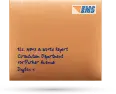
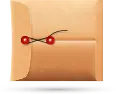
Your order is carefully packed and ships within 24 hours. Here is what a typical package looks like.
Sized like a regular personal letter (9.4x4.3x0.3 inches), with no indication of what is inside.
Front View
Side View
Back View
Shipping Times
Shipping Method
Estimated delivery
Express Free for orders over $300.00
Estimated delivery to the U.S.: 4-7 days
Standard Free for orders over $200.00
Estimated delivery to the U.S.: 14-21 days
Payment Methods
Discount Coupons
Independence Day - July 4, 2026 10%JULY410
Labor Day - September 7, 2026 7%LABOR07
Thanksgiving - November 26, 2026 9%THANKS09
FAQ
In the United States, naltrexone requires a prescription when purchased from local pharmacies. Our store policy allows LDN 1.5 mg capsules to be ordered without a prescription and sent by mail. Our store ordering policy is separate from the medicine's prescription status in the United States.
Naltrexone does not usually cause the immediate unpleasant alcohol reaction associated with disulfiram. It is used as part of treatment for alcohol dependence and may reduce alcohol's rewarding effects or cravings, but drinking can still be harmful and can interfere with recovery goals. Alcohol use should be discussed with the clinician overseeing treatment, especially with liver disease.
No FDA-approved naltrexone product has been identified for this specific 1.5 mg capsule presentation. FDA approval applies to an individual product, strength, dosage form, and application holder; approval of other naltrexone products does not establish approval of this capsule.
Do not use the capsules if the seal, container, or capsules appear damaged, opened, wet, or otherwise compromised. Keep the package available and have the discrepancy checked before taking any capsules.
Capsules can normally be transported by mail when they are appropriately packed and protected from light and moisture. After arrival, check that the container is intact and store it at 68°F to 77°F in a tightly closed container. Do not use capsules that appear damaged or compromised.
This product is available as oral capsules containing 1.5 mg of naltrexone. No other strength is listed for this product.
Naltrexone is an opioid antagonist used in treatment programs for alcohol dependence and for preventing relapse after opioid detoxification. It is used alongside behavioral support or counseling, not as a stand-alone cure. For opioid dependence, a person must be opioid-free before naltrexone is started because it can trigger abrupt withdrawal.
Pregnancy and breastfeeding both require an individual clinical assessment before naltrexone is used. Human pregnancy data are limited, so treatment during pregnancy is considered only when the expected benefit justifies potential fetal risk. Naltrexone and its active metabolite can pass into breast milk, and the decision to use it while nursing should weigh the mother's treatment needs and the infant's potential exposure.
These are oral capsules and should be taken exactly according to the prescribed or otherwise directed regimen. Naltrexone may be taken with or without food; taking it with food can be useful if it causes stomach upset. The usual dosing schedules for standard-dose naltrexone do not establish an appropriate regimen for a 1.5 mg capsule.
Naltrexone blocks opioid receptors and can reduce or prevent the effects of opioid pain medicines, cough medicines, and antidiarrheal products that contain opioids. Taking it while physically dependent on opioids can cause sudden, severe withdrawal. Tell health professionals about naltrexone before surgery, dental work, or emergency treatment so pain management can be planned safely.
Description
Note:
Images in the description are provided for informational purposes and may differ from the actual appearance of the product. Please refer to the product name, strength, ingredients, and dosage form.
LDN at a Glance
We carry LDN (naltrexone) 1.5 mg capsules in packs of 30, 60, 90, and 120, so customers across the United States can select the quantity that matches how they were told to take it. Every shipment leaves our facility in discreet, unmarked packaging, and we accept Visa, Mastercard, American Express, Discover, and select cryptocurrency payments at checkout. Our support team, including a pharmacist, is available 24/7 by email, live chat, and phone for questions about an order already placed.
Why LDN Matters for Patients Across the United States
"LDN" is shorthand that many American patients and prescribers use for low-dose naltrexone, a small daily capsule strength drawn from a medicine originally developed for much higher-dose use. Interest in this low-dose approach has grown steadily in the United States, driven largely by patient communities, integrative-medicine clinics, and word of mouth rather than a single large marketing push. Because the 1.5 mg strength sits well below the doses studied in naltrexone's original approval, most people who use it in the US do so as part of an individualized, off-label plan discussed with a prescriber familiar with this approach, rather than for the medicine's originally studied purpose.
Everyday Use & Best Practices
Most prescribers who work with LDN ask patients to take one capsule daily, at the same time each day, so blood levels stay steady. Some people start at a lower dose and are titrated upward toward the standard 1.5 mg capsule strength over several weeks, while others begin directly at this strength depending on their prescriber's plan. Consistency matters more than exact clock time: choosing a moment you can repeat daily, such as right after brushing your teeth or with a bedtime routine, helps you avoid missed capsules.
Keep capsules in their original container until just before you take one, to protect them from light and moisture.
Use a weekly pill organizer if you also take other daily medications, so a missed LDN dose is easy to spot.
Do not double up if you miss a dose; simply take the next one at your usual time.
Tell your prescriber before starting any new opioid-containing medication, including prescription pain relievers or cough syrup, since naltrexone blocks their effect.
Finding Your LDN Routine: Morning or Evening
Because low-dose naltrexone is thought to work partly by prompting a temporary rebound in the body's own endorphin production overnight, many US prescribers suggest taking it in the evening, roughly one to two hours before bed. Some patients instead notice more vivid dreams or trouble falling asleep at that dose and move to a morning routine instead, usually with a prescriber's input. Either timing can work; what matters most is picking one part of the day and sticking with it, since naltrexone's effect depends on steady, predictable dosing rather than a specific clock hour.
Taking LDN With or Without Food
Naltrexone capsules can generally be taken with or without food, and eating does not meaningfully change how the medicine is absorbed. Because timing consistency matters more than food, many people find it easiest to anchor the capsule to a habit they already keep every day, such as with morning coffee before heading to work or alongside a bedtime snack. If naltrexone causes mild stomach upset for you, taking it with a small meal or a glass of water can make it easier to tolerate without changing how well it works. Heavy alcohol use alongside naltrexone is best avoided, both because alcohol can add to nausea and because naltrexone is sometimes prescribed specifically to support reduced drinking.
Safety Priorities and Activities to Limit
The most important safety rule with naltrexone is that a person must be completely free of opioids before starting it, since taking it while opioids are still in the body can trigger sudden, severe withdrawal. This applies to prescription opioid pain relievers, certain cough medicines, and illicit opioids alike. Naltrexone can also cause dizziness or drowsiness in some people, so it is sensible to see how you respond before driving, operating machinery, or doing other tasks that need full alertness. Anyone who later needs opioid-based pain control, for example after surgery or a significant injury, should tell the treating clinician that they take naltrexone, since it will block the pain reliever's effect.
Patient Experiences and Common Challenges
What US Patients Report
On patient-review sites such as Drugs.com and in condition-focused communities like Inspire, people using low-dose naltrexone for chronic pain, fibromyalgia, or autoimmune symptoms often describe a gradual rather than immediate change, with some noticing steadier energy or fewer flare days after a few weeks. One recurring comment style captures the general pattern: "It took about a month before I noticed anything, but my joint pain became more manageable once I stuck with it." Reports vary widely, and what helps one person's symptoms may do little for another's, which is consistent with how individualized off-label LDN use tends to be.
Where Patients Run Into Trouble
The most common early challenge is vivid dreams or disrupted sleep, which leads some patients to switch from an evening to a morning dose. Others describe frustration finding a US pharmacy willing to compound or stock the 1.5 mg strength, since it falls outside the standard commercial naltrexone doses that larger chain pharmacies routinely carry. A third common theme is simply staying patient during the weeks it can take to judge whether the low dose is helping, since off-label LDN use does not come with a fixed, guaranteed timeline.
Where to Fill an LDN Prescription in the United States
Because the 1.5 mg strength is not one of the standard commercial naltrexone doses, availability at large chains such as CVS Pharmacy, Walgreens, or Costco Pharmacy can be inconsistent, and many locations rely on a compounding pharmacy to prepare this specific strength. Independent community pharmacies that offer compounding services are often the most reliable local option in many states, though hours and turnaround time vary by location. Rural patients in particular may face a longer round-trip to a pharmacy equipped for this strength, which is part of why many people compare local options against ordering online. With a valid prescription, you can order LDN through our online pharmacy and have it shipped directly to your address anywhere in the United States.
Online Pharmacy Trends in the United States
Online ordering has become a familiar complement to counter pharmacy service in the US, particularly for maintenance medications that patients take long-term and for specialty strengths, like this 1.5 mg LDN capsule, that are not always sitting on a typical pharmacy shelf. Convenience is one driver: avoiding a repeat drive to a compounding pharmacy matters more in low-density states and rural counties than in a walkable city neighborhood. Privacy is another factor patients mention, since online access means fewer face-to-face conversations about a sensitive diagnosis or treatment choice. Online access does not replace the prescription requirement itself; it simply changes how that prescription is filled and delivered.
Insurance, Medicare, Medicaid, and Private Purchase
Coverage for compounded or off-label-strength naltrexone capsules varies by plan, and private insurance, Medicare Part D, and Medicaid do not automatically treat every strength or compounded preparation the same way a standard commercial dose is treated. Because LDN at 1.5 mg is typically used off-label, some patients find their plan does not cover it the way it would cover standard-dose naltrexone, and they end up paying out of pocket. Checking directly with your plan and pharmacy benefit manager before your first fill is the most reliable way to know what, if anything, applies to your specific plan and prescription.
Ingredients and How LDN Works
Naltrexone is an opioid receptor antagonist, meaning it blocks the receptors that opioids act on. At the standard, higher doses studied for opioid or alcohol dependence, this blockade is the main effect. At the much smaller 1.5 mg dose used in LDN, researchers believe the drug briefly and partially blocks opioid receptors for a few hours, which appears to trigger the body to produce more of its own natural endorphins as a rebound response, along with effects on immune signaling pathways such as toll-like receptor 4. This is thought to be why LDN has drawn interest for chronic pain and some autoimmune conditions, even though the mechanism is still being actively studied rather than fully settled.
Approved and Off-Label Uses
Naltrexone's established, studied uses are for helping people maintain abstinence from opioids after detoxification and for supporting reduced drinking or abstinence in alcohol use disorder, generally at higher standard doses than this capsule contains. The 1.5 mg strength sold here is used off-label, prescribed by US clinicians who work with LDN protocols for conditions such as fibromyalgia, chronic fatigue, certain inflammatory or autoimmune conditions, and persistent pain that has not responded well to other approaches. Off-label use is a legal and common part of US clinical practice, but it means the FDA has not reviewed this specific 1.5 mg dose and use for those particular conditions, so results and appropriateness can vary from patient to patient.
Food, Drink, and Medicine Interactions
Naltrexone's most important interaction is with opioid medications themselves, which it blocks; combining the two can range from simply canceling out pain relief to triggering sudden withdrawal. Regular or heavy alcohol use should be discussed with your prescriber, since naltrexone is processed by the liver and some formulations carry cautions around liver function. There is no specific need to avoid coffee, tea, or ordinary meals with this capsule, though taking it consistently, whether with breakfast or a bedtime snack, is more important than any particular food pairing.
Recent Evidence and Regional Insights
Clinical interest in low-dose naltrexone for chronic pain, fibromyalgia, and select autoimmune conditions has continued to grow in US medical discussion over recent years, with more prescribers willing to try it as an adjunct when standard options have fallen short. At the same time, most of this evidence base remains built on smaller studies rather than the large, multi-site trials that support naltrexone's original approved uses, so major US professional guidelines have not adopted LDN as a first-line, formally endorsed treatment for these off-label indications. Patients considering LDN for a chronic condition are generally best served by discussing current evidence for their specific diagnosis directly with a prescriber familiar with this literature.
Alternative Choices
Depending on why naltrexone is being considered, several other options exist in the US market and may be worth discussing with a prescriber.
Standard-dose naltrexone (such as Revia): the FDA-approved higher dose for opioid or alcohol dependence, rather than the low-dose approach.
Vivitrol: an extended-release injectable form of naltrexone given monthly, an option for patients who prefer not to take a daily capsule.
Acamprosate or disulfiram: other approved medications for alcohol use disorder that work through different mechanisms than naltrexone.
Buprenorphine or methadone: opioid-based options used specifically for opioid use disorder treatment, which work differently from naltrexone's blocking approach and are not compatible with it.
None of these alternatives is a direct substitute for off-label low-dose use, since most are studied and approved for dependence treatment rather than the chronic-pain or autoimmune uses some patients seek from LDN.
Regulatory Status and Prescription Requirements
Naltrexone is available in the United States only with a prescription, and the FDA has not identified an approved product specifically for this 1.5 mg capsule presentation; approval attaches to a specific product, strength, and dosage form rather than to the active ingredient in general. Official prescribing information for approved naltrexone products can be found through DailyMed, and any suspected adverse event or quality issue can be reported to the FDA's MedWatch program. State boards of pharmacy oversee how pharmacies, including compounding pharmacies, prepare and dispense this strength. We do not require you to upload a prescription document to complete checkout, but a valid prescription is expected for this medicine, and our pharmacist team can answer questions about that process.
Storage in US Household Conditions
Store LDN capsules at 68°F to 77°F, in a tightly closed container, away from light and moisture. This matters more in some parts of the country than others: a car glove compartment or an un-air-conditioned mudroom can climb well above this range during a Southwestern summer or a humid Gulf Coast afternoon, while a bathroom cabinet exposed to shower steam adds unwanted moisture year-round. In colder northern states, capsules should still be kept indoors rather than in an unheated garage or an outdoor mailbox during freezing winter weather. A bedroom drawer or kitchen cabinet away from the stove and sink is usually the most practical, stable spot in most US homes.
Delivery Across the United States
We ship LDN throughout the United States using the same two methods for every customer: a tracked Express option and an untracked Standard option. Both allow for the extra step a compounding pharmacy sometimes needs to prepare this specific 1.5 mg strength before shipment.
LDN Delivery Estimates in the United States
City
Express
Standard
Detroit
≈ 4 days
≈ 17 days
Charlotte
≈ 4 days
≈ 14 days
New York
≈ 5 days
≈ 20 days
Houston
≈ 7 days
≈ 17 days
Chicago
≈ 4 days
≈ 21 days
Estimated delivery times based on our experience with previous orders; actual delivery dates are not guaranteed.
Actual transit time can vary with your ZIP code, weather delays, and carrier conditions, so treat these figures as planning estimates rather than a guarantee.
The Bottom Line on LDN
LDN 1.5 mg capsules give US patients working with a prescriber a practical way to access this specific low-dose naltrexone strength, whether the goal is chronic pain support, an autoimmune-related plan, or another off-label use discussed with a clinician. Understanding that this is a prescription medicine, taken consistently once daily, with attention to opioid-free status and sensible storage, helps set realistic expectations for what a several-week trial can and cannot show. For patients and prescribers who have already decided this strength fits their plan, choosing a reliable pack size and dependable delivery is often the remaining practical step.
Asked by Marisol Hernandez, El Paso, United States
My LDN capsules arrived in El Paso. What should I compare on the label to make sure I received the item I selected?
A
Answered by Support team
Check that the label states naltrexone, 1.5 mg, and capsules. Also compare the package label, manufacturer name, lot number, expiration date, and any capsule imprint if present. Do not take the capsules if the ingredient, strength, dosage form, seal, or physical condition appears incorrect or compromised.
Q
Asked by Daniel Brooks, Philadelphia, United States
I drive for work in Philadelphia. Could naltrexone make it unsafe for me to drive when I first start taking it?
It can cause dizziness, sleepiness, fatigue, or impaired alertness in some people. Avoid driving or other hazardous work until you know how the capsules affect you, and seek medical advice promptly if symptoms are persistent or severe.
Product specifications
Active ingredient
Naltrexone
Drug class
Opioid antagonist
Dosage form
Capsule
Available strengths
1.5 mg
Route
Oral
Storage
Store at 68°F to 77°F in a tightly closed container, away from light and moisture.
ATC code
N07BB04
Regulatory information
Approval StatusNaltrexone is approved for human medical use in the United States.
Prescription RequirementThis capsule formulation is available by prescription only and requires an order from a licensed healthcare provider.