Budez CR supplies budesonide, a corticosteroid built to release gradually in the lower small intestine and colon, in 3 mg controlled-release capsules. We offer it in packs of 30, 60, 90, and 180 capsules so you can match a supply to a typical treatment course.
This tool only estimates pack size from the values you enter.
×
You need: 21 capsRecommended packs: 1 x 30 = 30 caps
Manufacturers
AstraZeneca ABDr. Falk Pharma GmbHFerring Pharmaceuticals Inc.Tillotts Pharma AG
Payment & Shipping
Package Example
Your order is carefully packed and ships within 24 hours. Here is what a typical package looks like.
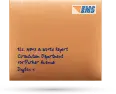
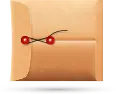
Sized like a regular personal letter (9.4x4.3x0.3 inches), with no indication of what is inside.
Front View
Side View
Back View
Shipping Times
Shipping Method
Estimated delivery
Express Free for orders over $300.00
Estimated delivery to the U.S.: 4-7 days
Standard Free for orders over $200.00
Estimated delivery to the U.S.: 14-21 days
Payment Methods
Discount Coupons
Independence Day - July 4, 2026 10%JULY410
Labor Day - September 7, 2026 7%LABOR07
Thanksgiving - November 26, 2026 9%THANKS09
Brand Names
Also known as (by country):
Country
Brand Names
United States
Entocort ECOrtikos
FAQ
Store the capsules below 77°F, protected from light and moisture. Keep them in their tightly closed original container, and keep the container out of reach of children and pets.
Not necessarily. Capsule color, size, markings, packaging, and inactive ingredients can vary between manufacturers and products. The product identity to compare is budesonide 3 mg controlled-release capsules, not appearance alone.
A different appearance can occur when the manufacturer or packaging changes and does not by itself show that the medicine is incorrect. Compare the package label for the active ingredient, 3 mg strength, controlled-release capsule dosage form, manufacturer, lot number, expiration date, and capsule imprint when present. Do not use the capsules if the ingredient, strength, dosage form, seal, or physical condition appears wrong or compromised.
Solid oral capsules can generally travel by mail when packed to protect them from crushing, light, and moisture. On arrival, check that the package is intact and store the capsules below 77°F in their tightly closed original container.
Take Budez CR by mouth exactly as directed for the condition being treated. Swallow the controlled-release capsules whole; do not crush or chew them because this can interfere with the release system. Budesonide capsules may generally be taken with or without food, but the prescribed dose and treatment duration depend on the indication and the individual treatment plan.
Pregnancy requires caution: oral budesonide should be used only when the expected benefit justifies potential fetal risk, and treatment decisions should account for the risk of uncontrolled bowel inflammation. Breastfeeding also requires caution because budesonide can pass into human milk and data for oral controlled-release capsules are limited. A prescriber should assess the maternal need for treatment and the infant's potential exposure.
Description
Note:
Images in the description are provided for informational purposes and may differ from the actual appearance of the product. Please refer to the product name, strength, ingredients, and dosage form.
Budez CR is an oral corticosteroid capsule built around budesonide, a medicine most often reached for when a doctor wants to calm intestinal inflammation without exposing the whole body to the full strength of a traditional steroid. It is supplied as a 3 mg controlled-release capsule taken by mouth, a formulation designed to carry the drug past the stomach and release it where active Crohn's disease typically causes trouble. People usually consider Budez CR after a diagnosis of mild to moderate Crohn's disease affecting the ileum or ascending colon, or when a prescriber wants an alternative to a conventional systemic corticosteroid. The sections below walk through how it works, what a typical course looks like, and how it compares with related treatments.
What Is Budez CR and Why It's Prescribed
Budez CR belongs to the corticosteroid drug class, and its active ingredient, budesonide, is chemically related to other steroids such as prednisone or prednisolone but is formulated to behave differently once swallowed. Rather than dissolving quickly and circulating widely through the bloodstream, the controlled-release capsule is engineered to break down slowly as it travels through the small intestine, delivering the medicine directly to the tissue that needs it. This local-acting design is the main reason budesonide capsules are used specifically for Crohn's disease limited to the ileum and right side of the colon, rather than for inflammation elsewhere in the digestive tract or for unrelated allergic or respiratory conditions sometimes treated with other budesonide products.
Crohn's Disease and Why Treatment Matters
Crohn's disease is a chronic inflammatory bowel condition that can cause abdominal pain, diarrhea, fatigue, and weight loss when the intestinal lining becomes inflamed. It tends to flare and settle over time, and untreated flares can lead to complications such as strictures or fistulas. Because ongoing inflammation drives both symptoms and long-term tissue damage, prescribers generally aim to bring a flare into remission and then maintain that improvement. Budesonide's targeted release makes it a reasonable option specifically for flares located in the segments of bowel the capsule is designed to reach, which is why it is not interchangeable with corticosteroids used for more widespread or differently located disease.
How Budesonide Works in the Body
Once released in the intestine, budesonide binds to glucocorticoid receptors in the local tissue, switching off many of the inflammatory signals that keep Crohn's disease active. What sets it apart from an older steroid like prednisone is what happens after it is absorbed: budesonide undergoes extensive first-pass metabolism in the liver, where a large proportion is converted into much less active substances before it can reach general circulation. In practical terms, this means the medicine can act strongly at the site of inflammation while producing comparatively less of the whole-body steroid exposure associated with conventional oral corticosteroids, though it does not eliminate systemic effects entirely, particularly with higher doses or extended use.
What the Evidence Shows
Oral budesonide controlled-release capsules have been studied for inducing remission in mild to moderate active Crohn's disease involving the ileum and ascending colon, and clinical research has generally found effectiveness broadly comparable to conventional corticosteroids for this specific pattern of disease, with a more favorable profile of typical steroid-related side effects. That trade-off is the central clinical rationale for choosing budesonide over a drug like prednisone in appropriate cases. It's worth understanding that this evidence applies to the population and disease pattern the medicine was studied in; it is not established as a treatment for ulcerative colitis affecting the whole colon or for maintaining long-term remission indefinitely, and response still varies from one person to another.
Strengths, Packaging, and General Dosing Principles
We carry Budez CR as 3 mg controlled-release capsules, and our current package sizes are 30, 60, 90, and 180 capsules, letting you choose a quantity that fits a short course or a longer stretch of treatment. Established dosing for adults with active Crohn's disease commonly involves taking multiple 3 mg capsules once daily in the morning for an initial induction period, often around eight weeks, sometimes followed by a lower daily dose for a further period as symptoms are brought under control. For children and adolescents between 8 and 17 years old who weigh more than 25 kg, dosing is set according to body weight and age rather than following the adult regimen. These are general patterns described in medical literature and labeling, not a specific dose recommendation; the exact dose, timing, and duration for any individual depend on a prescriber's assessment of disease severity and response.
The capsules should normally be swallowed whole with water. Do not chew or crush the granules. If swallowing is difficult, open the capsule only when the instructions for the exact supplied product permit it or after confirming the method with a pharmacist or prescriber; the granules must remain intact. They can generally be taken with or without food, though consistency in how they are taken from day to day helps keep absorption predictable.
Elimination and Half-Life
Because of the extensive first-pass metabolism described above, only a modest fraction of an oral budesonide dose becomes available to the rest of the body. What is absorbed is cleared fairly quickly, with an elimination half-life in the range of two to four hours in adults with normal liver function. The inactive metabolites produced by the liver are excreted mainly through the kidneys, with a smaller portion leaving through the stool. This relatively short half-life is one reason once-daily dosing works for the controlled-release formulation: the capsule's slow physical release, rather than the drug's own persistence in the bloodstream, is what sustains its effect on the gut lining over the day.
Before You Start: Safety Considerations
Before beginning Budez CR, it helps to have a clear picture of your overall health, including any history of infections, eye problems such as glaucoma or cataracts, bone density concerns, liver disease, or mental health conditions, since corticosteroids can influence all of these areas. People with diabetes should be aware that even the reduced systemic exposure from budesonide can raise blood sugar and may call for closer glucose monitoring during treatment. Pregnant patients are generally only prescribed budesonide capsules when the expected benefit clearly outweighs the potential risk, since corticosteroids as a class have been linked to fetal effects in animal studies and to the possibility of reduced adrenal function in a newborn exposed during pregnancy. Because budesonide passes into breast milk and there isn't specific safety data for the oral controlled-release capsule during breastfeeding, this situation is usually discussed individually with a prescriber rather than treated as automatically safe or automatically avoided.
Contraindications
Budez CR should not be used by anyone with a known hypersensitivity to budesonide or to any inactive ingredient in the capsule. It also isn't the right choice for infections that the immune-suppressing effect of a corticosteroid could worsen, unless a prescriber has specifically weighed that risk. Anyone who has had a serious reaction to a corticosteroid in the past should mention that history before starting treatment.
Interactions to Be Aware Of
Because budesonide is broken down mainly by a liver enzyme called CYP3A4, medicines or substances that block this enzyme can cause budesonide levels to build up higher than intended. This includes certain antifungal medicines (such as ketoconazole or itraconazole), some antibiotics, HIV protease inhibitors, and, notably, grapefruit or grapefruit juice, which is generally best avoided while taking this medicine. On the other side, drugs that strongly activate this same enzyme, such as rifampin or certain anti-seizure medicines, can lower budesonide's effectiveness by clearing it too quickly. Combining Budez CR with other corticosteroids, whether oral, inhaled, or topical, can add to overall steroid exposure and should be discussed with a healthcare provider. Alcohol doesn't have a specific dangerous interaction with budesonide, but heavier drinking can itself aggravate digestive inflammation, which works against the goal of the treatment.
Side Effects and When to Get Help
Most people tolerate budesonide capsules reasonably well, especially compared with higher systemic steroid doses, but side effects still occur. The comparison image below separates the milder, more common reactions from warning signs that call for prompt medical attention.
Everyday side effects tend to involve the digestive system and general well-being, such as headache, mild nausea or indigestion, and a feeling of tiredness, and these often ease as the body adjusts. Effects that should prompt a call to a healthcare provider without delay include signs of a serious allergic reaction, unusual mood or behavior changes, vision changes or eye pain, symptoms of high blood sugar, or signs of infection such as a persistent fever, since a corticosteroid can mask or worsen an infection that would otherwise be more obvious.
Overdose and Emergency Action
Taking more Budez CR than directed does not typically cause a sudden, dramatic emergency the way an overdose of some other drug classes might, but it can push the body toward classic signs of excess corticosteroid exposure, including elevated blood sugar, fluid retention, mood changes, or unusual fatigue, particularly if repeated over several days. If a significant overdose is suspected, or if someone has taken a dose far beyond what was prescribed, contact a poison control center or seek medical care rather than waiting to see if symptoms appear, and call 911 if there are signs of a severe reaction such as difficulty breathing or fainting. A missed dose is generally handled by taking it as soon as remembered unless it's close to the next scheduled dose, in which case skipping the missed one and continuing the regular schedule is the usual approach rather than doubling up.
Storage and Handling
Keep Budez CR capsules in their original container, tightly closed, and store them below 77°F in a place protected from light and moisture, such as a cabinet away from a bathroom or kitchen sink. Keep the capsules out of reach of children and pets, and don't transfer them to an unlabeled pillbox for extended periods, since that can expose them to more humidity than the original packaging is designed to handle.
Prescription Status and Ordering Through Our Pharmacy
Corticosteroid treatment for Crohn's disease is typically managed together with a gastroenterologist or primary care provider who monitors how the condition responds over time, and anyone starting or adjusting this kind of medicine benefits from that kind of oversight regardless of how it's obtained. On our side, our checkout for Budez CR does not require you to upload a prescription before we accept your order. If you have questions about whether this medicine is appropriate for your situation, our pharmacist and support team are available 24/7 by chat, phone, or email to help you think it through before you order.
Benefits and Trade-offs
The main appeal of Budez CR is that it targets inflammation where Crohn's disease is actually active in the lower small intestine and right colon, while limiting the broader steroid exposure that comes with a drug like prednisone. That local-acting design is genuinely useful for the specific disease pattern it was built for, but it is also a limitation: it isn't formulated to help inflammation in other parts of the bowel, and it isn't typically used as a long-term maintenance therapy in the way some other Crohn's disease medicines are. Because it's still a corticosteroid, longer courses still call for the same kind of attention to blood sugar, bone health, and infection risk as any steroid, just generally at a lower intensity. Weighing these trade-offs against your specific pattern of disease is exactly the kind of decision worth making together with a prescriber.
Generic Options and Related Treatments
Budesonide itself is the generic name behind Budez CR, and other brand-name oral capsules built on the same active ingredient and controlled-release approach exist in the US market, generally treating the same indication in a similar way. Outside the budesonide family, some prescribers turn to a conventional systemic corticosteroid such as prednisone, or to Prednisolone, when broader or more aggressive anti-inflammatory action is needed, accepting a higher likelihood of typical steroid side effects in exchange for that broader reach. For inflammation centered in the colon rather than the ileum, a different drug class built around mesalamine is sometimes used instead of a corticosteroid altogether. None of these alternatives is a direct substitute for Budez CR without a clinician's input, since the choice depends on exactly where and how active the disease is, but understanding where budesonide fits among these options can make a conversation with your prescriber more productive.
My order just arrived. Where do I verify that I received budesonide 3 mg rather than a different strength?
A
Answered by Support team
Check the medicine package label for "budesonide" as the active ingredient, "3 mg" as the strength, and "controlled-release capsule" as the dosage form. Also compare the manufacturer name, lot number, expiration date, and any capsule imprint if one is present; do not take it until any discrepancy is resolved.
Q
Asked by Daniel, Austin, United States
I found what appears to be the same generic capsules at another online store for almost half the price. Why should I order from AntiInfectiveMeds instead?
A
Answered by Support team
We stand behind the quality of the generic products we offer. A similar name and lower price do not establish that another seller's product has the same manufacturer, sourcing, handling, or quality, and we cannot verify what that seller supplies. The choice is yours, but it is worth deciding whether the savings justify accepting that unknown.
Q
Asked by Patricia, San Jose, United States
Where should I look for the lot number and expiration date on my Budez CR package?
A
Answered by Support team
The lot number and expiration date are normally printed on the medication's outer carton, bottle, or blister packaging. Check the actual package you received, keep that information with the medicine, and do not use capsules past the printed expiration date.
Q
Asked by Robert, San Antonio, United States
My urgent-care clinician prescribed clarithromycin while I am taking budesonide capsules. Can they be taken together?
Clarithromycin can inhibit CYP3A, the enzyme that helps metabolize budesonide, and may raise budesonide exposure and the risk of corticosteroid effects. The prescriber or pharmacist should review the combination before it is started; do not change either medicine on your own.
Product specifications
Active ingredient
Budesonide
Drug class
Corticosteroid
Dosage form
Controlled-release capsule
Available strengths
3 mg
Route
Oral
Storage
Store below 77°F, protected from light and moisture, and keep the capsules in their tightly closed original container.
ATC code
A07EA06
Regulatory information
Approval StatusBudesonide is officially approved for human medical use in the United States.
Prescription RequirementControlled-release capsules require a valid prescription from a licensed healthcare professional.